
Finding the best salicylic acid cleanser for oily skin can feel overwhelming with so many options available. If your face gets oily quickly or you struggle with clogged pores and frequent acne breakouts, the right cleanser can make a real difference in your skincare routine.
Salicylic acid is a beta‑hydroxy acid (BHA) that penetrates deep into pores to dissolve excess sebum production, help prevent blackheads, and calm inflammation. Choosing non‑comedogenic products for acne‑prone skin means you get these benefits without irritation or dryness.
In this guide, we’ll cover:
- Top salicylic acid cleansers worth trying
- Pros and cons of each product
- Tips for using them effectively
How to integrate them into a full skincare routine for oily skin treatment
Why Salicylic Acid Works for Oily Skin
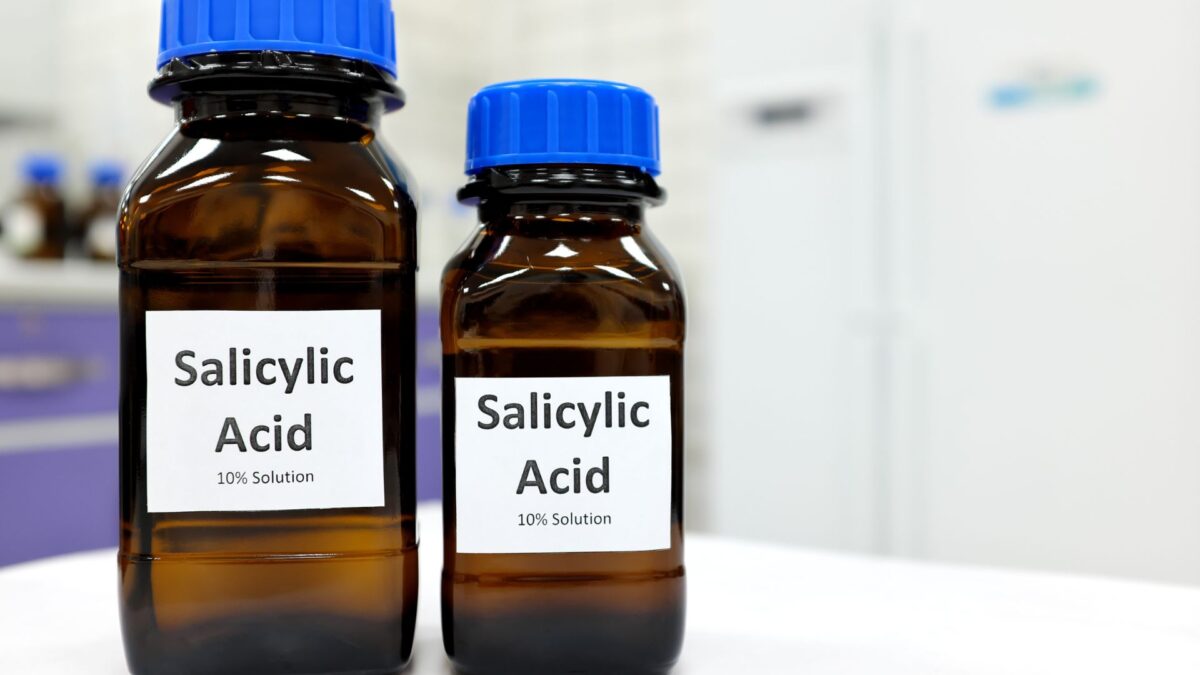
Salicylic acid for oily skin is a go-to ingredient because it targets the root causes of acne and shine without over-drying. Here’s why it’s so effective:
- Penetrates deep into pores to remove excess sebum production and prevent clogged pores, keeping skin fresh and clear.
- Helps reduce blackheads and whiteheads, making it easier to maintain smooth skin.
- Controls oil naturally, so your oily skin treatment doesn’t rely on harsh stripping cleansers.
- Calms inflammation and redness caused by acne breakouts, supporting a healthier skin barrier.
Works seamlessly with non-comedogenic products explained, allowing you to layer serums, moisturizers, or SPF without irritation.
Why it matters:
Using salicylic acid for oily skin ensures your skincare routine is effective yet gentle, tackling both shine and acne while complementing other non-comedogenic products in your routine.
How to Choose the Best Salicylic Acid Cleanser
Selecting the best cleanser for oily skin doesn’t have to be confusing. Here’s a simple guide to picking a salicylic acid face wash that fits your needs:
- Concentration matters: Look for 0.5% to 2% salicylic acid for safe, effective daily use. This range helps control oily skin without over-drying.
- Match your skin type: Gel or foaming cleansers work well for oily skin, while gentler formulas suit sensitive skin.
- Check additional ingredients: Soothing additions like niacinamide, aloe vera, or tea tree oil can reduce irritation and support a healthy skincare routine for acne-prone skin.
- Non-comedogenic: Always choose non-comedogenic skincare products to prevent clogged pores while controlling oil.
- pH balanced: Maintaining the skin’s natural pH protects the skin barrier and ensures your routine stays effective.
Why it matters:
By considering concentration, skin type, additional ingredients, and formulation, you can pick a salicylic acid cleanser that effectively reduces excess sebum production while fitting seamlessly into your skincare routine for acne-prone skin.
Comparison Table – Top Salicylic Acid Cleansers
| Product | Key Ingredients | Skin Type | Price (USD) | Amazon Link |
| La Roche-Posay Effaclar Medicated Gel Cleanser | Salicylic Acid, Zinc | Oily, Acne-Prone | $16 | Click Here |
| Neutrogena Oil-Free Acne Wash | Salicylic Acid | Oily, Acne-Prone | $7 | Click Here |
| CeraVe Renewing SA Cleanser | Salicylic Acid, Ceramides | Oily, Combination | $13 | Click Here |
| Paula’s Choice CLEAR Pore Normalizing Cleanser | Salicylic Acid, Green Tea | Oily, Adult Acne | $14 | Click Here |
| COSRX Salicylic Acid Daily Gentle Cleanser | Salicylic Acid, Willow Bark | Oily, Sensitive | $12 | Click Here |
Top 5 Salicylic Acid Cleansers – Pros & Cons
1. La Roche-Posay Effaclar Medicated Gel Cleanser
La Roche-Posay Effaclar is a go-to cleanser for oily and acne-prone skin. Its formulation targets acne breakouts while keeping excess shine under control, making it ideal for anyone struggling with oily skin.
Pros:
- Effectively reduces acne breakouts, helping prevent new blemishes.
- Controls oil production on the face for a fresh, matte finish.
- Non-comedogenic skincare products suitable for daily use on oily acne-prone skin.
Cons:
- Can feel slightly drying if overused; follow with a lightweight, non-comedogenic moisturizer.
- Higher price point, which may be a consideration for budget-conscious users.
Why it stands out:
This is one of the best salicylic acid cleansers for oily skin because it balances effective acne-fighting action with gentle care, supporting a healthy oily skin treatment routine without clogging pores.
2. Neutrogena Oil-Free Acne Wash
Neutrogena Oil-Free Acne Wash is a budget-friendly option that works well for daily oily skin treatment. Its lightweight gel formula makes it easy to incorporate into any skincare routine for acne-prone skin while helping control shine and prevent breakouts.
Pros:
- Penetrates pores to unclog blackheads and whiteheads, addressing clogged pores effectively.
- Lightweight gel formula is gentle and easy to layer with serums or moisturizers.
- Affordable and widely available, making it accessible for consistent use.
Cons:
- May cause dryness in sensitive areas, so follow with a non-comedogenic moisturizer.
- Not ideal for severe acne unless paired with additional treatments.
Why it stands out:
This is a great product for oily skin that helps manage excess oil production and prevent acne breakouts without breaking the bank.
3. CeraVe Renewing SA Cleanser
CeraVe Renewing SA Cleanser is a gentle yet effective option for those looking for the best cleanser for oily skin that also supports long-term skin health. It combines exfoliation with barrier-repair ingredients, making it ideal for daily use in a balanced routine.
Pros:
- Contains ceramides to help maintain and strengthen the skin barrier, which is essential for healthy, resilient skin.
- Provides gentle exfoliation with salicylic acid to help prevent clogged pores and reduce minor acne breakouts.
- Formulated as one of the reliable non-comedogenic products for acne-prone skin, so it won’t clog pores.
- Easy to integrate into a consistent skincare routine for acne-prone skin.
Cons:
- May require a follow-up lightweight moisturizer if you experience dry patches.
- Results may be mild for severe or cystic acne, which could require stronger treatment.
Why it stands out:
This cleanser is perfect for anyone who wants steady oil control and gentle exfoliation without compromising the skin barrier. It’s a balanced choice for daily use and fits seamlessly into a simple, effective acne routine.
4. Paula’s Choice CLEAR Pore Normalizing Cleanser
Paula’s Choice CLEAR Pore Normalizing Cleanser is designed specifically for those who struggle with persistent breakouts and the oily skin and acne connection. It offers a balanced formula that cleans deeply without stripping the skin.
Pros:
- Helps minimize blackheads and whiteheads by gently clearing buildup inside pores.
- Supports a healthy hydration vs oil balance, preventing the over-drying that can trigger more oil production.
- Suitable for adult acne, especially for those whose face gets oily quickly throughout the day.
- Works well with other non pore-clogging products, making it easy to build a complete routine.
Cons:
- Higher price point compared to typical drugstore cleansers.
- Those with severe acne may need stronger active treatments in addition to this cleanser.
Why it stands out:
This cleanser is ideal for people who want a gentle yet effective formula that respects the skin barrier while addressing breakouts. It’s especially helpful for adults managing recurring acne linked to excess oil.
5. COSRX Salicylic Acid Daily Gentle Cleanser
COSRX Salicylic Acid Daily Gentle Cleanser is a lightweight option designed for daily use, especially for those with oily yet sensitive skin. Its combination of salicylic acid and botanical extracts makes it effective without feeling harsh.
Pros:
- Contains willow bark extract and salicylic acid to provide gentle exfoliation and help prevent clogged pores.
- Helps balance oil production, making it ideal for daily oil control without stripping the skin.
- Lightweight formula suitable as a non-comedogenic face wash for sensitive skin.
- Pairs well with a gel moisturizer for oily skin, allowing easy layering in both morning and night routines.
Cons:
- Limited availability in some regions, often requiring online purchase.
- Some users may need to apply a lightweight moisturizer afterward to maintain hydration balance.
Why it stands out:
This cleanser is especially helpful if you’re looking for skincare tips for oily skin in summer, when heat and humidity increase oil production. It offers gentle exfoliation, balanced cleansing, and daily comfort without overwhelming sensitive skin.
How to Use Salicylic Acid Cleanser for Maximum Results
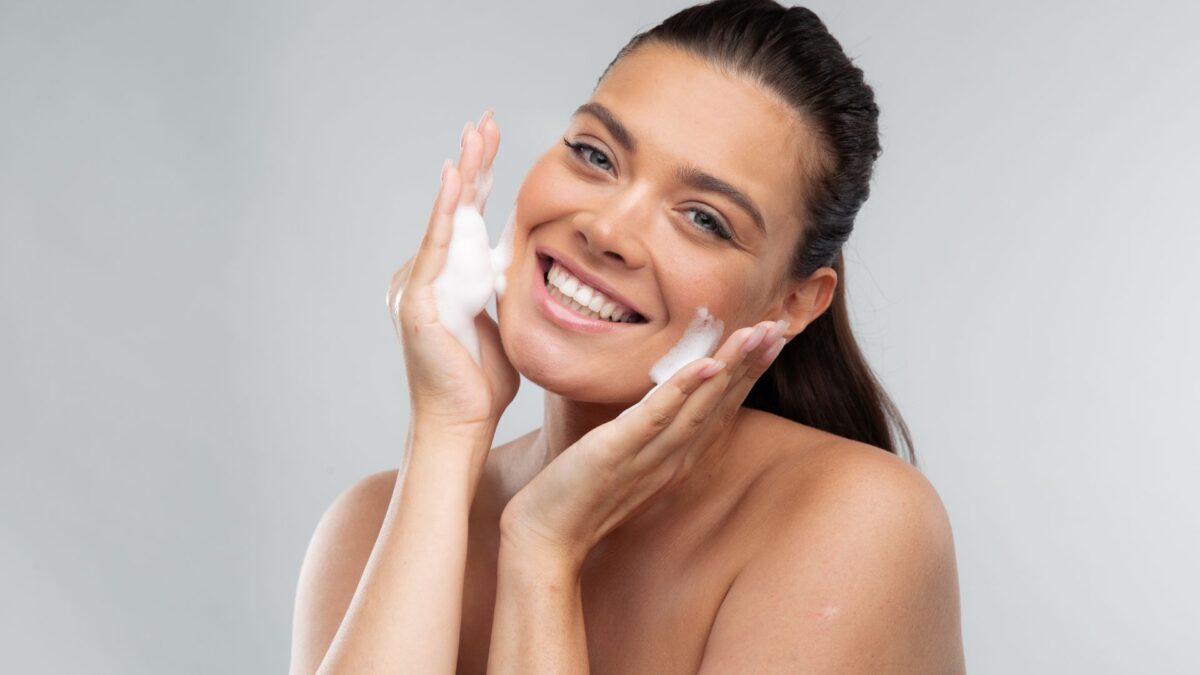
Using the right cleanser is important, but how you use it makes all the difference. Follow these steps to get the best results from your salicylic acid cleanser without irritating your skin.
Morning & Night Use
Use your cleanser once or twice daily, depending on your skin’s tolerance. For most people with oily or acne-prone skin, a consistent morning vs night routine for acne-prone skin helps reduce buildup, control shine, and prevent new breakouts. If your skin feels dry or tight, reduce usage to once daily.
Apply on Damp Skin
Always apply the cleanser to damp skin. This helps the formula spread evenly and cleanse effectively withou stripping natural oils. Gently massage for 20–30 seconds to target clogged pores and excess oil.
Follow with a Lightweight Moisturizer
After cleansing, apply the best moisturizer for oily acne-prone skin — ideally a lightweight, non-comedogenic formula. Moisturizing helps maintain hydration and prevents rebound oil production.
Use SPF in the Morning
Salicylic acid can make your skin slightly more sensitive to the sun. Apply a broad-spectrum SPF every morning to protect your skin barrier and reduce the risk of post-inflammatory hyperpigmentation.
Why it works:
When used correctly, salicylic acid supports effective oil control skincare, keeps pores clear, and fits seamlessly into a balanced daily routine without damaging the skin barrier.
Common Mistakes to Avoid
Even the best salicylic acid cleanser won’t deliver results if common skincare mistakes are sabotaging your routine. Here’s what to avoid if your face gets oily quickly or you struggle with recurring breakouts.
Overwashing
Washing your face too often can strip natural oils, which triggers your skin to produce even more oil. This increase in excess sebum production can lead to more shine and clogged pores. Stick to cleansing once or twice daily.
Using Harsh Scrubs
Physical scrubs with rough particles can damage the skin barrier and worsen inflammation. This irritation often leads to more acne breakouts and persistent clogged pores. Gentle chemical exfoliation is usually a safer option.
Skipping Moisturizer
Many people with oily skin avoid moisturizer, but this can cause rebound oil production. Hydration helps balance oil levels and supports your goal of learning how to stop oily face naturally.
Ignoring Ingredients
Not all products labeled for oily skin are created equal. Avoid heavy, comedogenic oils and harsh irritants that can worsen breakouts. Choosing non-comedogenic formulas ensures your pores stay clear while controlling oil.
Why it matters:
Avoiding these mistakes helps maintain a healthy skin barrier, improves oil control, and keeps your routine effective for long-term results.
Ingredients That Make Salicylic Acid Cleansers Effective
Salicylic acid cleansers work best when combined with supportive ingredients that improve oil control while protecting the skin barrier. Here’s how these key ingredients work together:
Salicylic Acid
Salicylic acid is one of the most effective ingredients that control oil production. It penetrates deep into pores to dissolve buildup, unclog debris, and reduce blackheads and whiteheads. By clearing excess oil, it directly addresses the oily skin and acne connection.
Niacinamide
Niacinamide helps reduce redness and inflammation caused by acne breakouts. It also strengthens the skin barrier, which is essential for maintaining balance while using active ingredients like salicylic acid.
Tea Tree Oil
Tea tree oil is a natural antimicrobial that helps reduce acne-causing bacteria on the skin. It supports clearer skin without the harshness of stronger treatments, making it ideal for mild to moderate breakouts.
Ceramides
Ceramides help maintain hydration and reinforce the skin barrier. When paired with salicylic acid, they prevent over-drying and keep oil levels balanced. This is why many non-comedogenic products explained as suitable for acne-prone skin include ceramides in their formulas.
Why it matters:
When these ingredients are combined correctly, they create a balanced formula that controls oil, reduces breakouts, and maintains healthy skin, without clogging pores or causing irritation.
Tips for Integrating Into a Full Skincare Routine
Adding a salicylic acid cleanser to your regimen is only effective if the rest of your routine supports oil control and barrier health. Here’s how to structure a balanced skincare routine for acne-prone skin without overwhelming your skin.
Start with Gentle Cleansing
Use your salicylic acid cleanser on damp skin to remove excess oil, dirt, and buildup without stripping natural moisture. Cleansing should feel refreshing, not tight or dry. This step lays the foundation for the best skincare routine for oily skin.
Apply Targeted Active Treatments
After cleansing, apply treatment products such as benzoyl peroxide (for active breakouts) or a niacinamide serum (to calm redness and regulate oil). Layering actives correctly ensures better absorption and improves overall acne control.
Use a Lightweight, Non-Comedogenic Moisturizer
Moisturizing is essential, even for oily skin. Choose lightweight, gel based non comedogenic skincare products that hydrate without clogging pores. Proper hydration prevents rebound oil production and supports a healthy skin barrier.
Apply SPF Every Morning
Sun protection is non-negotiable. Use a broad-spectrum SPF 30 or higher daily, even on cloudy days. This protects against post-inflammatory hyperpigmentation and keeps your skin barrier strong while using exfoliating ingredients.
Avoid Over-Layering Multiple Actives
Using too many strong ingredients at once can irritate skin and worsen breakouts. Introduce new products gradually and monitor how your skin responds. A simple, consistent routine is often more effective than an overloaded one.
Why this approach works:
A structured routine that balances cleansing, treatment, hydration, and protection creates long term results. Consistency, not complexity, is key when building the best skincare routine for oily skin.
FAQ Section
Can I use salicylic acid cleanser daily?
Yes. The best salicylic acid cleanser for oily skin can be used 1–2 times daily based on skin tolerance. Overuse may cause dryness, so always follow with a moisturizer.
Will it reduce oily skin immediately?
It starts clearing clogged pores right away, but visible oil control usually takes 2–4 weeks of consistent use as it regulates excess sebum production.
Can it prevent blackheads permanently?
No cleanser can permanently stop blackheads. Salicylic acid helps prevent clogged pores, but consistent use is required to maintain clear skin.
Conclusion
The best salicylic acid cleanser for oily skin combines effective acne-fighting ingredients with non comedogenic formulas. Products like La Roche-Posay, Neutrogena, CeraVe, Paula’s Choice, and COSRX provide options for different budgets and skin types.
Integrate cleansers into a morning and night routine, follow with a lightweight moisturizer and daily SPF, and watch excess oil on face and acne breakouts reduce naturally.
With the right cleanser, how to control oily skin, prevent clogged pores, and maintain a healthy skin barrier becomes simple, leaving your face clear, balanced, and refreshed.