

When temperatures drop, many people assume oily skin gets better. But the reality is very different. If you struggle with excess oil and breakouts, building the right winter skincare for oily acne prone skin routine becomes essential.
Cold weather, indoor heating, and low humidity create the perfect environment for winter breakouts oily skin types often experience. If you’ve been wondering how to prevent acne in winter without drying your skin out, the answer lies in understanding winter dehydration and acne triggers.
Even though your skin may feel less greasy, oil glands can become overactive in response to dryness. That imbalance leads to irritation, congestion, and stubborn breakouts. Let’s break down exactly why this happens — and how to fix it properly.
Why Oily Acne Prone Skin Gets Worse in Winter
Many people wonder why breakouts seem to increase during colder months. A common question is, why does oily skin break out in winter if oil production is supposed to decrease?
The answer is more about dehydration than oil alone. Dry winter air acne breakouts are often triggered because cold outdoor air strips moisture from your skin. When your skin becomes dehydrated, the protective barrier weakens. In response, your sebaceous glands produce more oil to compensate. That extra oil can easily lead to clogged pores and breakouts.
Now add indoor heating skin dryness into the picture. Heated indoor air significantly lowers humidity levels, which pulls even more moisture from the skin. Over time, this can create tiny cracks in the skin barrier. A compromised barrier makes skin more reactive, inflamed, and prone to acne.
Another factor is clogged pores in cold weather. During winter, dead skin cells do not shed as efficiently as they do in warmer months. These cells can build up on the surface and mix with excess oil and bacteria, increasing the risk of inflammation.
This cycle often results in:
- Increased redness
- More sensitivity
- Slower healing
- Unexpected flare ups
When you understand these seasonal triggers, it becomes much easier to build a proper winter skincare routine for oily acne prone skin. Winter breakouts are not random. They are usually a sign that your skin needs more barrier support and balanced hydration.
Complete Winter Skincare for Oily Acne Prone Skin
A smart winter skincare for oily acne prone skin plan is all about balance — not stripping your skin in an attempt to control oil.
During colder months, your winter skincare routine for oily acne prone skin should focus on maintaining hydration while preventing congestion. When your barrier is supported properly, oil production becomes more stable and breakouts are easier to manage.
| Step | Product Type | Purpose | Winter Tip |
| Cleanser | Gentle gel cleanser | Remove oil | Avoid over-drying |
| Treatment | Salicylic / Niacinamide | Control acne | Use less frequently |
| Moisturizer | Gel-based | Hydration | Focus on barrier repair |
| Sunscreen | Oil-free SPF | Protection | Use daily |
Let’s break it down step by step.
Step 1 – Cleanser
Choosing the right gentle cleanser for oily acne skin is crucial in winter. Harsh foaming cleansers that leave your skin feeling tight may seem effective, but they actually worsen dehydration.
Over cleansing oily skin during winter weakens the barrier and triggers rebound oil production. Your skin tries to protect itself by producing even more oil, which can lead to clogged pores.
Instead:
- Cleanse twice daily
- Use lukewarm water
- Avoid physical scrubs
This approach keeps your skin clean without disrupting its natural balance.
Step 2 – Treatment
Cold weather does not mean you stop using active ingredients — it simply means you use them more strategically.
Using salicylic acid in winter for oily skin can still help unclog pores and prevent breakouts. However, if you notice dryness or irritation, reduce the frequency instead of stopping completely.
For soothing and oil regulation, niacinamide for oily acne prone skin in winter is especially helpful. It supports the skin barrier, controls excess oil, and helps reduce inflammation and redness in winter.
Remember, consistency matters more than layering multiple actives. A simple, steady routine will always perform better than an aggressive one that overwhelms your skin.
Step 3 – Moisturizer
Many people skip moisturizer in winter because they assume oily skin does not need extra hydration. That is one of the biggest mistakes.
The best winter moisturizer for oily acne prone skin should provide hydration without feeling greasy or clogging pores. When skin is dehydrated, it produces more oil to compensate, which increases the risk of breakouts.
Look for a lightweight winter moisturizer for oily skin that includes barrier supporting ingredients such as ceramides, glycerin, or hyaluronic acid. These help repair moisture loss without overwhelming acne prone skin.
A gel moisturizer for oily acne skin in winter works especially well because it absorbs quickly, feels breathable, and layers comfortably under sunscreen or makeup.
Proper winter hydration for oily acne skin keeps the barrier strong, reduces irritation, and prevents rebound oil production.
Step 4 – Sunscreen
Yes, sunscreen is still essential in winter.
An oil free sunscreen in winter protects your skin from UV rays that can worsen post acne marks, pigmentation, and sensitivity. Cold weather does not reduce UV exposure, especially if you are outdoors during the day.
Choose lightweight, non comedogenic formulas that sit comfortably on the skin without clogging pores. Consistent sunscreen use supports healing and prevents long term damage, even in colder months.
How to Prevent Acne in Winter Oily Skin Edition
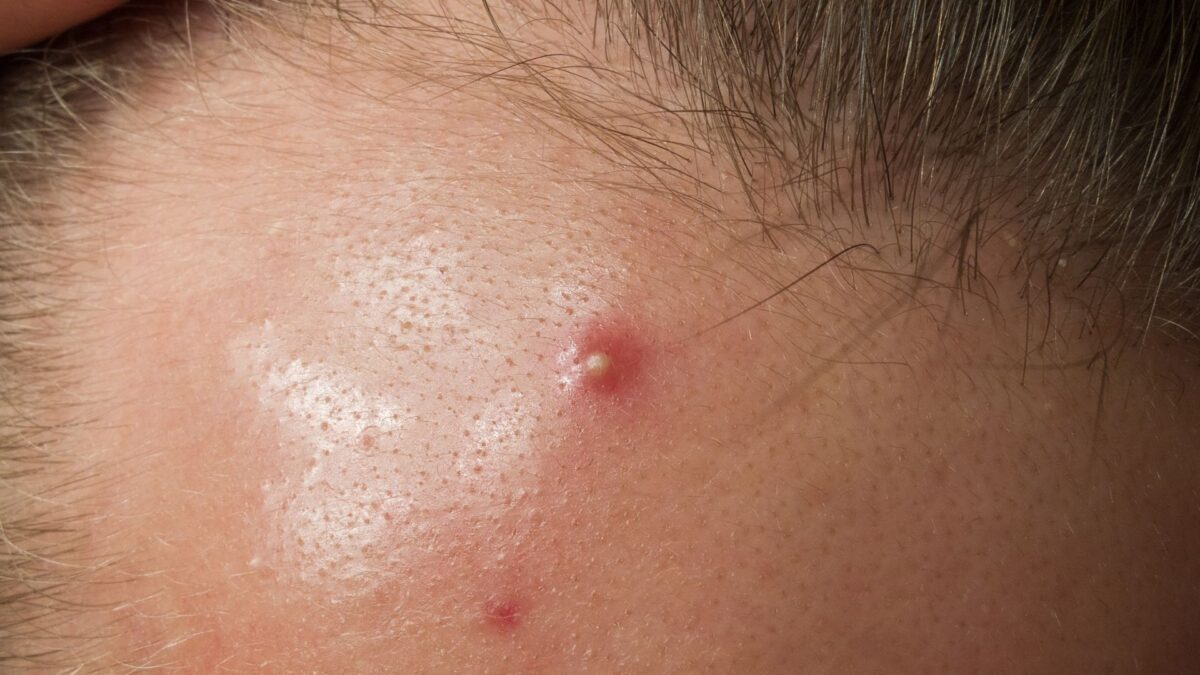
If you are serious about learning how to prevent acne in winter, prevention starts with small, consistent daily habits. Winter breakouts are usually not random. They are a response to dehydration, barrier damage, and overcorrection.
Effective oil control skincare in winter should focus on balance, not elimination. Trying to completely remove oil often makes the situation worse. When skin feels stripped, it produces more oil, leading to congestion and inflammation.
Here are practical and effective oily skin acne winter tips you can actually follow:
- Avoid harsh exfoliation that weakens the skin barrier
- Use non stripping cleansers that clean without tightness
- Keep treatments consistent instead of over layering
- Stay hydrated internally to support skin function
Acne flare ups in cold weather often happen because people panic and switch products too frequently. Every new product is a potential irritant, especially in winter when skin is already sensitive. Stability helps your skin adapt and heal.
To truly understand how to prevent acne in winter, remember this: protecting your barrier is more important than aggressively targeting oil. When your skin feels supported and hydrated, oil production becomes more balanced and breakouts become easier to control.
Winter Hydration Without Breakouts
Hydration and acne control can absolutely coexist. The problem is not moisture. The problem is using the wrong type of moisture.
Winter dehydration and acne often go hand in hand because when skin lacks water, it tries to protect itself by producing more oil. That extra oil can mix with dead skin cells and lead to congestion.
Properly balancing oil production starts with supporting skin barrier repair in winter. When your barrier is strong, your skin does not feel the need to overproduce oil. It stays calmer, less reactive, and more stable.
Using non comedogenic winter skincare allows you to hydrate effectively without clogging pores. Lightweight, breathable formulas are key for oily acne prone skin during colder months.
Look for ingredients like:
- Glycerin
- Hyaluronic acid
- Ceramides
These ingredients attract and retain moisture while helping restore barrier strength. They hydrate without feeling heavy or greasy.
Most importantly, remember this: hydration does not equal oiliness. Well hydrated skin is actually better balanced, less inflamed, and far less likely to break out.
Simple Winter Skincare Routine for Acne
Sometimes less is more, especially in winter when your skin is more sensitive and prone to dehydration. A simple, focused routine keeps your skincare for oily skin in winter effective without overwhelming your barrier.
| Time | Steps |
| Morning | Cleanser → Niacinamide → Moisturizer → Sunscreen |
| Night | Cleanser → Salicylic acid (2–3x/week) → Moisturizer |
Your acne prone skin winter routine doesn’t need 10 steps or multiple active ingredients. Consistency is far more important than complexity.
Follow practical winter skin care tips for oily skin, such as avoiding hot showers that strip moisture and limiting exfoliation to prevent barrier damage. A simple, steady routine keeps your skin hydrated, balanced, and less likely to break out.
Why Consistency Matters in Winter
One often overlooked factor in winter skincare for oily acne prone skin is consistency. Cold weather and dry air already stress the skin, so changing products frequently can make irritation and breakouts worse.
Switching products too often disrupts your skin’s barrier and prevents it from adapting. Sticking to trusted, gentle formulas allows your skin to stay balanced and recover from environmental stressors.
Using non comedogenic winter skincare options reduces the risk of clogged pores while still providing the hydration your skin needs. Remember, oil control skincare in winter should never come at the expense of moisture.
Focus on steady, predictable habits rather than following trends. Consistency is the simplest and most effective way to keep your skin calm, hydrated, and free from winter breakouts.
Why does oily skin break out in winter?
If you’re wondering why does oily skin break out in winter, the answer lies in dehydration and barrier damage caused by cold air and heating systems.
How to prevent acne in winter?
To understand how to prevent acne in winter, focus on gentle cleansing, hydration, barrier repair, and consistent treatments. Avoid over-cleansing and harsh exfoliation.
What is the best winter skincare for oily acne prone skin?
The best winter skincare for oily acne prone skin includes a gentle cleanser, lightweight moisturizer, targeted treatment, and sunscreen.
Conclusion
Building an effective winter skincare for oily acne prone skin routine is all about balance, patience, and supporting your skin barrier.
Oily acne prone skin winter care is not about stripping away oil — it’s about maintaining proper hydration while preventing congestion and breakouts. Overdrying the skin often makes acne worse, not better.
If you understand how to prevent acne in winter, choose the right moisturizer, and avoid harsh treatments, your skin can stay clear even in freezing temperatures.
Winter doesn’t have to mean breakouts. With the right strategy, your skin can remain balanced, calm, and healthy throughout the season.