
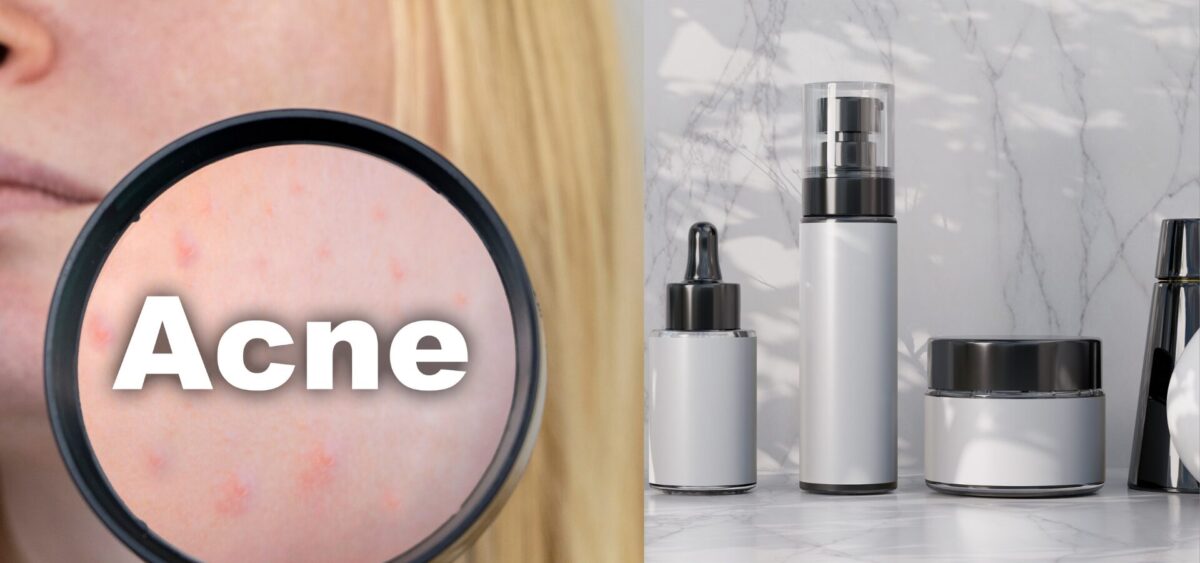
Pregnancy brings many beautiful changes, but for many women, it also brings unexpected breakouts. Hormonal shifts can trigger oily skin, clogged pores, and painful pimples. The challenge is that not all acne treatments are considered safe during this time. That is why choosing the right pregnancy safe acne products becomes extremely important.
Many traditional acne treatments contain ingredients that are restricted during pregnancy. If you are dealing with new or worsening acne, switching to acne products safe for pregnant women can help you manage breakouts while protecting your baby.
Before starting any safe acne treatment during pregnancy, always consult your OB GYN or dermatologist. Every pregnancy is different, and professional guidance ensures safety.
Why Acne Gets Worse During Pregnancy
Understanding the connection between pregnancy hormones and acne makes it easier to see why breakouts often increase during this time.
During pregnancy, progesterone levels rise significantly. This hormone stimulates the sebaceous glands, causing them to produce more oil. Excess oil can mix with dead skin cells and clog pores, leading to hormonal acne during pregnancy.
Many women notice the most obvious acne flare ups in first trimester, when hormone levels are rapidly shifting. However, breakouts can appear at any stage depending on how the body responds to hormonal changes.
These hormonal breakouts while pregnant commonly show up along the jawline, chin, and cheeks. At the same time, skin often becomes more sensitive and reactive. Products that once worked well may suddenly feel irritating or too strong.
That is why switching to pregnancy safe acne products is so important. Continuing strong pre pregnancy treatments without adjustment can worsen irritation and compromise the skin barrier during an already sensitive period.
Ingredients to Avoid in Pregnancy Acne Products
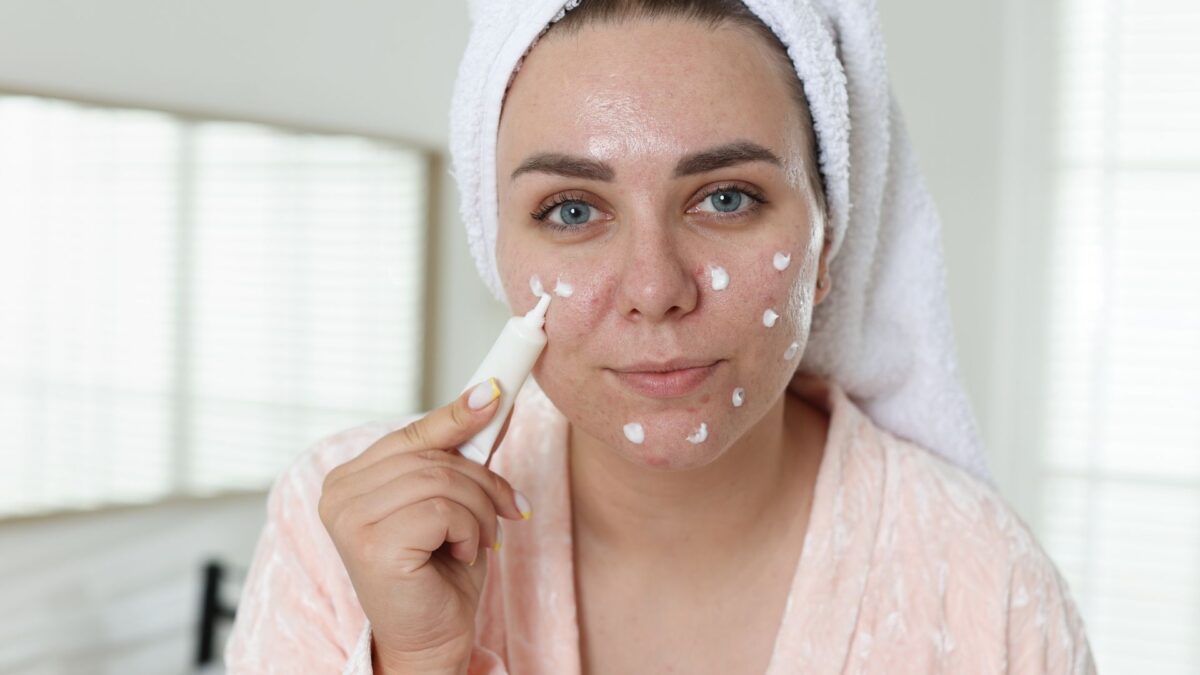
One of the most important steps in choosing pregnancy safe acne products is knowing which ingredients to avoid. During pregnancy, safety becomes the priority, even if that means simplifying your routine.
Retinoids and Vitamin A Derivatives
The biggest concern is retinol pregnancy risk. Dermatologists and doctors strongly advise avoiding retinoids during pregnancy. High levels of vitamin A derivatives may pose potential developmental risks, especially when used consistently over time.
This includes prescription retinoids and over the counter retinol products. Even topical forms should be discontinued unless specifically approved by your healthcare provider.
Strong Chemical Exfoliants
While some low strength acids may be considered acceptable in certain cases, stronger exfoliating treatments should always be discussed with your doctor first. High concentration peels or aggressive acid formulas can increase irritation and sensitivity.
Always read labels carefully when reviewing ingredients to avoid in pregnancy acne products. If you are unsure about a product, it is safer to pause and confirm with a medical professional.
When in doubt, consult your provider before starting any new acne treatment during pregnancy. Safety and simplicity should guide every skincare decision during this time.
Safe Ingredients in Pregnancy Safe Acne Products
The good news is that there are several ingredients often considered safer options when used with medical guidance. Always confirm with your healthcare provider before starting or continuing any treatment.
Azelaic Acid
Azelaic acid for pregnancy acne is commonly recommended by dermatologists. It helps reduce inflammation, unclog pores, and improve post acne marks. It is generally viewed as a lower risk option compared to stronger acne medications.
Niacinamide
Many experts consider niacinamide safe during pregnancy. It helps calm redness, regulate oil production, and strengthen the skin barrier. Because it is gentle and well tolerated, it fits easily into a simple pregnancy routine.
Benzoyl Peroxide
Low strength benzoyl peroxide pregnancy safe use may sometimes be permitted in limited amounts. However, approval from your doctor is essential before including it in your routine. Concentration and frequency matter.
Salicylic Acid
There is often confusion around salicylic acid safe in pregnancy acne discussions. Small amounts in wash off cleansers are sometimes considered acceptable, but high strength leave on treatments or peels should be avoided unless specifically advised by a medical professional.
Choosing safe skincare ingredients in pregnancy not only protects your skin but also reduces unnecessary stress. A cautious, simplified approach supports both your health and your baby’s safety.
Best Pregnancy Safe Acne Products to Consider
When searching for the best pregnancy safe acne treatment, focus on gentle, non irritating formulas that support your skin without overwhelming it. Pregnancy is not the time for aggressive correction. It is the time for calm, steady care.
Look for dermatologist approved pregnancy acne products with short, simple ingredient lists. Many brands now offer non toxic acne products pregnancy friendly, but always read labels carefully instead of relying only on marketing claims.
If you prefer easily available options, some over the counter acne treatment pregnancy safe products can work well. However, always verify safety with your healthcare provider before committing to regular use.
Clean beauty options labeled as clean skincare for pregnancy acne can also be helpful, provided they clearly avoid restricted ingredients like retinoids and high strength acids.
Gentle Cleanser
A gentle cleanser for pregnancy acne should remove excess oil, sweat, and buildup without stripping the skin. Foaming cleansers with mild surfactants can work well as long as they do not leave your skin feeling tight or dry.
The goal is clean, comfortable skin, not that squeaky dry feeling.
Treatment Products
When choosing a safe acne treatment during pregnancy, look for options that contain azelaic acid or low strength benzoyl peroxide, but only when approved by your doctor.
Always ensure they are clearly labeled as acne products safe for pregnant women or reviewed by medical professionals. Simpler is better. Avoid layering multiple active ingredients at once.
Moisturizer
Hydration is essential, especially when hormones are fluctuating. A pregnancy safe moisturizer for acne prone skin should be lightweight and breathable while still supporting barrier repair.
Look for products labeled non comedogenic pregnancy skincare to reduce the risk of clogged pores. Well hydrated skin is less reactive and heals more efficiently.
Sunscreen
Sun protection is non negotiable. An oil free sunscreen pregnancy safe formula protects against hyperpigmentation and irritation without worsening breakouts.
Pregnancy can increase the risk of dark spots, so daily sunscreen use becomes even more important.
Using carefully selected pregnancy safe acne products consistently is far more effective than frequently changing routines. Gentle, steady care allows your skin to adapt and remain balanced throughout pregnancy.
Simple Pregnancy Acne Skincare Routine
A balanced pregnancy acne skincare routine does not need to be complicated. In fact, simplicity is often the safest and most effective approach during this time.
The goal is to control breakouts gently while protecting your skin barrier and avoiding restricted ingredients.
| Time | Routine Steps |
| Morning Gentle Cleanser | Lightweight Moisturizer → Oil-Free Sunscreen |
| Evening Gentle Cleanser | Doctor-Approved Treatment → Moisturizer |
This simple pregnancy safe skincare for acne plan helps many women maintain clearer skin during pregnancy while minimizing risk. Consistency, patience, and medical guidance make all the difference.
Natural Acne Remedies During Pregnancy
Some women prefer combining lifestyle adjustments with pregnancy safe acne products to manage breakouts more gently. Supportive habits can make a noticeable difference, especially when hormones are fluctuating.
Safe options may include:
- Balanced diet
- Staying well hydrated
- Changing pillowcases frequently
- Managing stress levels
- Avoiding heavy makeup
A balanced diet rich in whole foods may help reduce inflammation. Staying hydrated supports overall skin function. Clean pillowcases reduce bacteria buildup, and managing stress can help regulate hormone related flare ups. Choosing lighter makeup formulas also reduces pore congestion.
While exploring natural acne remedies during pregnancy, remember that natural does not automatically mean safe. Essential oils, herbal extracts, and DIY treatments can still cause irritation or contain ingredients not recommended during pregnancy.
Always double check ingredient lists and consult your healthcare provider before trying new remedies. Gentle, informed choices are the safest path to clearer skin during pregnancy.
When to See a Doctor
If your acne becomes painful, cystic, or emotionally distressing, it is important to seek medical advice. Pregnancy related breakouts can sometimes go beyond mild congestion and require professional guidance.
Your healthcare provider can recommend OB GYN approved skincare or prescription treatments that align with pregnancy safety guidelines. These options are carefully selected to protect both you and your baby while effectively managing inflammation.
Never self treat severe acne with strong products or leftover prescriptions without professional input. During pregnancy, safety always comes first, and expert advice ensures you are treating your skin responsibly.
Is salicylic acid safe during pregnancy
Is salicylic acid safe during pregnancy
Can I use benzoyl peroxide while pregnant
Small amounts of benzoyl peroxide pregnancy safe products may be allowed with medical approval. Always speak with your healthcare provider before adding it to your routine.
What acne products should I avoid during pregnancy
Avoid retinoids, high dose salicylic acid, and any products associated with retinol pregnancy risk. These ingredients may not be considered safe during pregnancy.
Conclusion
Dealing with breakouts during pregnancy can feel frustrating, especially when your skin suddenly changes and your usual products are no longer an option. The good news is that safe solutions do exist.
Choosing the right pregnancy safe acne products allows you to manage hormonal changes without compromising your health or your baby’s safety. Gentle, well selected formulas can still control oil, reduce inflammation, and support healing.
Focus on simple routines, avoid restricted ingredients, and always prioritize medical guidance when introducing treatments. With carefully chosen pregnancy safe acne products, you can support clearer, calmer, and healthier skin throughout your pregnancy journey.