
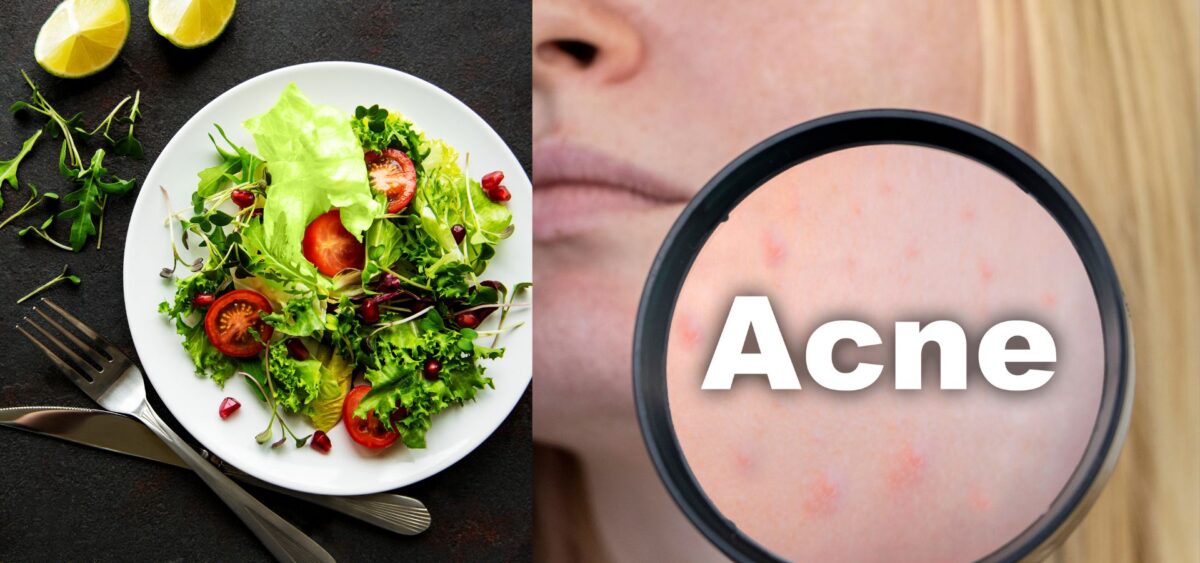
Acne isn’t just about what you put on your skin—it’s also deeply influenced by what you put in your body. Understanding how diet affects acne can help you prevent breakouts, reduce inflammation, and maintain a healthy glow. In this guide, we’ll cover everything from foods that trigger acne to nutrients that support clear skin, plus meal planning tips for acne-prone individuals.
Whether you’re dealing with hormonal acne, cystic acne, or occasional breakouts, this article will help you make informed dietary choices.
How Food Triggers Acne
Many people overlook the connection between diet and acne. Certain foods can directly contribute to acne breakouts and worsen hormonal acne by increasing oil production and inflammation in the body.
Here’s how:
High sugar and refined carbs: Consuming sugary snacks, white bread, and pastries leads to insulin spikes, which increase sebum production, creating clogged pores and pimples.
Dairy products: Milk, cheese, and yogurt may trigger inflammation in some people, worsening hormonal acne, especially around the jawline.
Processed and fast foods: These often contain unhealthy fats and additives that increase inflammation and skin oiliness, making breakouts more severe.
Identifying your personal acne trigger foods can be your first step toward building a healthy diet for clear skin.
Sugar and Acne
One of the most common questions is how sugar affects acne. The connection between sugar and acne is strongly linked to hormonal fluctuations, inflammation, and excess oil production. When you consume sugar rich foods such as candies, soft drinks, white bread, and pastries, your blood sugar levels rise rapidly. This triggers insulin spikes, which stimulate androgen hormones. Increased androgen activity signals your sebaceous glands to produce more oil, leading to excess sebum production.
Excess oil combines with dead skin cells and bacteria inside the pores, resulting in clogged pores, whiteheads, blackheads, and inflamed pimples. Over time, consistently high sugar intake can worsen cystic acne, which forms deeper under the skin and carries a higher risk of scarring. High sugar consumption also increases systemic inflammation, making acne more red, swollen, and painful.
A low glycemic diet for acne is highly recommended by many skincare and health professionals. Low glycemic foods digest slowly and release glucose gradually into the bloodstream, preventing sudden insulin surges. Instead of sugary snacks and refined carbs, choose whole grains, oats, quinoa, lentils, leafy vegetables, berries, and sweet potatoes. These foods help maintain stable blood sugar levels while providing essential nutrients that support skin repair and overall health.
Switching to a balanced diet that reduces refined sugar intake can significantly improve hormonal acne, decrease inflammation, and support long term skin clarity. Consistency is key, as dietary changes often take several weeks to reflect visible improvements in your skin.
Dairy and Acne
Dairy is another commonly discussed trigger when it comes to dairy and acne. Research suggests there may be a connection, although it varies from person to person. Some individuals notice a clear increase in acne breakouts after consuming milk, ice cream, or other dairy products, especially teenagers and adults with hormone sensitive skin.
Milk contains natural hormones and bioactive molecules that may influence insulin and androgen levels in the body. These hormonal shifts can increase sebum production, leading to clogged pores and inflamed pimples. Skim milk in particular has been associated in some studies with worsening acne, possibly due to its processing and hormone related effects.
Chocolate often gets blamed for breakouts, which raises the question, does chocolate cause acne? In many cases, it is not the cocoa itself that is the issue. Pure cocoa contains antioxidants and does not directly trigger acne for most people. The problem is usually the high sugar and milk content in commercial chocolate products. These ingredients can increase insulin levels and inflammation, both of which contribute to acne.
If you suspect a milk and acne connection, try reducing dairy intake for a few weeks and monitor your skin’s response. Identifying personal triggers can help you build a diet that supports clearer, healthier skin over time.
Anti-Inflammatory Foods for Acne
One effective way to support clearer skin is by adding anti inflammatory foods for acne into your daily diet. Since acne is largely an inflammatory condition, reducing internal inflammation can help calm breakouts, balance oil production, and improve overall skin health.
These include:
Fatty fish, flaxseed, walnuts: Rich in omega 3 for acne, these healthy fats help reduce inflammation in the body and regulate oil production. Omega 3 fatty acids may also help counterbalance omega 6 fats, which are often overconsumed in processed diets and can promote inflammation. Regular intake supports smoother, calmer skin.
Probiotic foods for acne: Yogurt, kimchi, kefir, and other fermented foods improve gut health, which plays a direct role in the gut skin connection. A balanced gut microbiome helps regulate inflammation, immune response, and even hormone balance, all of which influence acne severity.
Fruits and vegetables: Packed with antioxidants like vitamin C, beta carotene, and polyphenols, they help repair damaged skin cells and protect against oxidative stress. Antioxidants also support healing and reduce the risk of post inflammatory hyperpigmentation after breakouts.
Incorporating these nutrient dense foods into your routine can calm existing inflammation, support hormonal balance, and help prevent new acne breakouts naturally over time.
Vitamins and Nutrients for Acne-Prone Skin
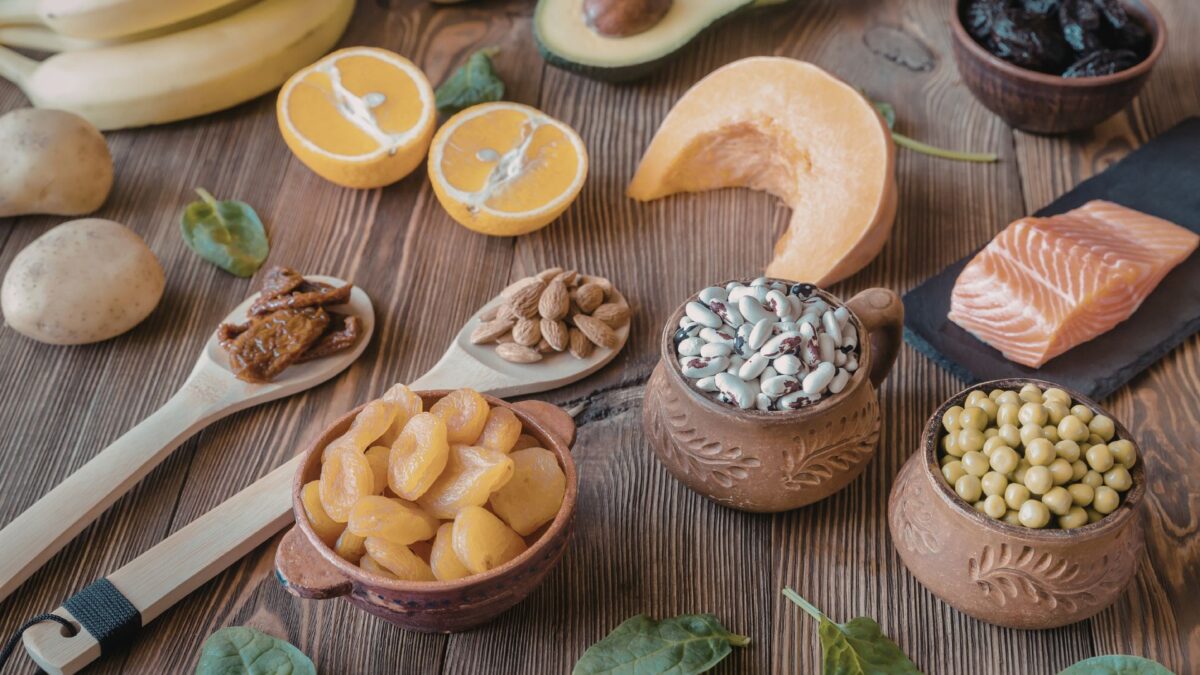
Proper nutrition plays a major role in maintaining clear, balanced skin. The right vitamins and nutrients for acne prone skin help regulate oil production, reduce inflammation, and support faster healing. While skincare works on the surface, internal nutrition strengthens your skin from within.
Best vitamins for acne prone skin include:
- Vitamin A, C, and E: These powerful antioxidants help reduce inflammation and support skin repair. Vitamin A regulates cell turnover and prevents clogged pores. Vitamin C promotes collagen production and helps fade acne marks. Vitamin E protects the skin from oxidative stress and supports barrier healing.
- Zinc: This mineral has been shown to reduce the severity of breakouts by controlling inflammation and limiting acne causing bacteria. Zinc also helps regulate oil gland activity, making it beneficial for people with oily and acne prone skin.
- Biotin and selenium: These nutrients support overall skin health and collagen production. Selenium works as an antioxidant that protects skin cells from damage, while biotin supports healthy skin structure when taken in balanced amounts.
Paying attention to nutrition for acne is just as important as maintaining a proper skincare routine. A balanced diet rich in vitamins, minerals, and antioxidants supports long term skin clarity and resilience.
Protein and Acne
Protein is a staple in most diets, but the role of protein in acne is often misunderstood. Different protein sources can affect hormones and oil production in different ways, which may influence breakouts and overall skin health.
Whey protein may worsen acne breakouts in some people due to its effect on insulin like growth factor IGF 1. Increased IGF 1 levels can stimulate androgen hormones and boost sebum production. When sebum production increases, pores are more likely to become clogged, leading to inflamed pimples, especially in individuals who are prone to hormonal acne.
In contrast, plant based proteins such as pea, hemp, and soy protein are less likely to trigger acne. These sources generally have a lower impact on IGF 1 levels and are often better tolerated by people who are sensitive to dairy based supplements. Because they are less likely to overstimulate oil production, they may be a safer choice for acne prone skin.
Choosing the right protein source can help you avoid common dietary triggers and support clearer, healthier skin over time.
Fast Food and Acne
How fast food affects acne is no secret. Diets high in refined carbohydrates, unhealthy fats, and artificial additives can increase inflammation and contribute to hormonal imbalances, both of which play a major role in acne development.
Burgers, fries, fried chicken, packaged snacks, and sugary sodas are often high in trans fats and simple sugars. These foods can trigger insulin spikes, increase sebum production, and promote clogged pores. Over time, frequent consumption may worsen cystic acne, making breakouts deeper, more painful, and longer lasting. Increased inflammation can also make acne scars and post acne marks more noticeable.
Avoiding common foods to avoid for acne is just as crucial as including nutrient rich, anti inflammatory options. A balanced diet that limits processed and fast foods supports clearer skin and improves overall health.
Meal Planning for Clear Skin
Creating a meal plan for acne prone skin does not have to be complicated. The key is focusing on balance, nutrient density, and consistency rather than extreme restrictions.
Focus on:
- Balanced meals: Include low glycemic carbs, healthy fats, clean proteins, and leafy greens. This combination helps stabilize blood sugar levels, reduce inflammation, and support steady energy throughout the day.
- Hydration: Drinking enough water supports your skin barrier, improves toxin elimination, and helps reduce the risk of clogged pores caused by excess oil buildup.
- Consistency: Regular healthy eating strengthens the diet and acne connection over time. Occasional indulgences are normal, but long term habits determine visible skin results.
A healthy diet for clear skin combined with proper skincare creates a powerful inside out approach to managing acne and supporting long term skin health.
Diet and Cystic Acne
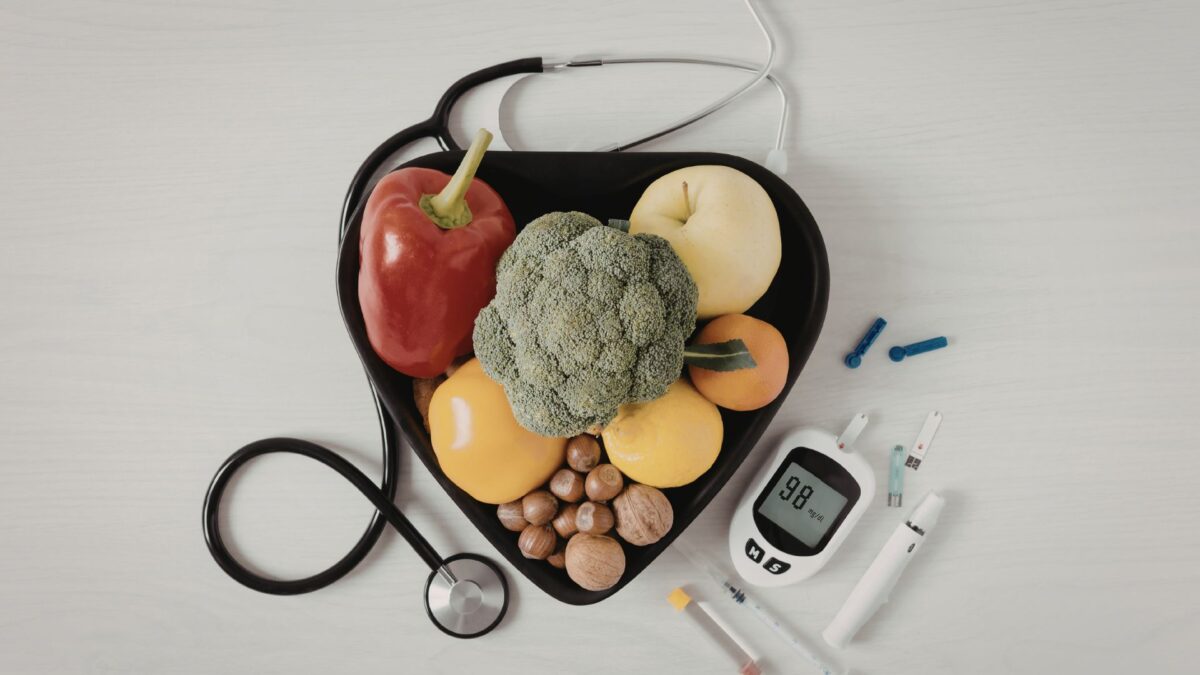
When planning a diet for cystic acne, the main focus should be on reducing high sugar foods and limiting dairy intake. Since cystic acne is deeply inflammatory and often hormone driven, stabilizing blood sugar levels and lowering internal inflammation can make a noticeable difference.
Include anti inflammatory foods for acne such as omega 3 rich sources, leafy greens, berries, nuts, and whole foods that support hormonal balance. At the same time, make sure you are supporting your skin barrier with proper hydration, essential vitamins, zinc, and adequate protein from balanced sources.
Following consistent acne diet tips can help reduce the severity of breakouts, shorten healing time, and lower the risk of long term scarring. Diet alone may not cure cystic acne, but it plays a powerful supportive role in overall skin health.
Lifestyle Tips Alongside Diet
Healthy skin depends on more than just food choices. While nutrition plays a major role in the diet and acne connection, your daily habits also influence inflammation, hormones, and oil production.
Diet isn’t the only factor. Incorporate healthy skin habits:
- Exercise: Promotes circulation, supports detoxification, and helps regulate hormones linked to acne breakouts.
- Sleep: Poor sleep can worsen hormone imbalance and increase sebum production, making breakouts more frequent and inflamed.
- Stress management: Chronic stress increases cortisol, which raises inflammation and contributes to persistent acne.
- Supplements: Only if necessary and after consulting a healthcare professional. Nutrients like zinc or omega 3 may support skin health when deficiencies exist.
Combining diet and lifestyle changes strengthens your skin from the inside out, reduces inflammation, and improves long term clarity.
FAQ Section
Does sugar really cause acne?
Yes, sugar can contribute to acne in some people. High sugar intake increases blood sugar levels, which raises insulin and insulin like growth factor levels, leading to more oil production and inflammation. This can make breakouts more frequent or severe, especially in acne prone skin.
Can dairy worsen acne?
Some individuals experience increased breakouts from milk, cheese, or yogurt due to hormonal effects.
Which foods clear acne naturally?
Anti-inflammatory foods for acne, probiotics, leafy greens, and fatty fish support clear skin.
Conclusion
Understanding how diet affects acne can help you manage breakouts more effectively. The strong diet and acne connection shows that high sugar foods, processed meals, and excessive dairy may increase inflammation, hormone imbalance, and sebum production, which can lead to more acne breakouts.
On the other hand, following simple acne diet tips like choosing a healthy diet for clear skin, adding anti inflammatory foods for acne, and supporting gut health can improve overall skin health over time.
You do not need a perfect diet. You need consistency. When you learn how to eat to prevent acne and focus on balanced nutrition for acne, you support clearer skin from the inside out.