
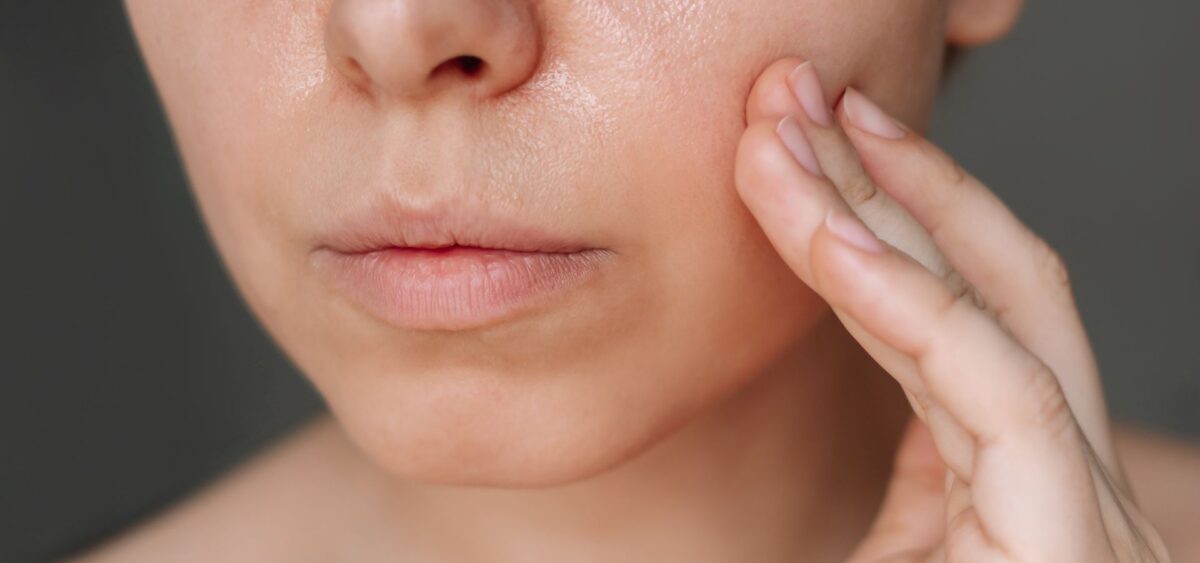
Most people with oily skin skip moisturizer because they think it will make their face look greasy. But here’s the truth about why oily skin still needs moisturizer: when you don’t hydrate your skin properly, it can actually produce more oil.
If you’ve ever wondered, does oily skin need moisturizer, the short answer is yes. The confusion usually comes from mixing up hydration vs oil. Oil is sebum. Hydration is water. Your skin can be oily and still be lacking water at the same time.
When hydration drops, your skin goes into defense mode. It increases excess sebum production to protect itself. That can lead to clogged pores and more acne breakouts.
Let’s break this down step by step so you understand exactly how to hydrate oily skin the right way.
Does Oily Skin Need Moisturizer
A very common question is: does oily skin need moisturizer or should you just skip it?
Yes, oily skin absolutely needs moisture. Oil and hydration are not the same thing. You can have shiny skin and still have dehydrated skin underneath. When skin lacks water, it may actually produce more oil to compensate, which can make your face appear even greasier.
If you are asking yourself, should I moisturize oily skin, think about your skin barrier. Your skin barrier protects you from irritation, bacteria, and environmental stress. When you do not moisturize, that barrier becomes weaker and more vulnerable to inflammation and breakouts.
Many people with acne also ask, is moisturizer necessary for oily acne prone skin. It is. Acne treatments like salicylic acid or benzoyl peroxide can dry out your skin. Without moisturizer, irritation increases, the barrier becomes compromised, and breakouts can actually get worse instead of better.
Moisturizer helps:
- Protect the skin barrier
- Reduce irritation
- Balance oil production
- Support overall skin health
Skipping moisturizer usually creates more problems in the long term. The key is choosing a lightweight, non comedogenic formula that hydrates without clogging pores.
What Happens If You Don’t Moisturize Oily Skin
Let’s talk about what happens if you don’t moisturize oily skin.
First, your skin can become dehydrated even if it looks shiny. Dehydrated skin lacks water, not oil. When water levels drop, your skin tries to protect itself by producing more excess sebum. This is a compensatory response, and it often makes oily skin appear even greasier.
That extra oil can:
- Mix with dead skin cells
- Create clogged pores
- Trigger acne breakouts
- Make your skin look even shinier
Ironically, skipping moisturizer can actually make oily skin worse. Instead of reducing oil, it may increase it. Over time, you may also notice tightness, sensitivity, flaking, or redness, especially if you are using acne treatments.
When your skin barrier is damaged from lack of hydration, inflammation increases. Increased inflammation can make acne more painful, prolong healing time, and raise the risk of post acne marks.
So if you have been avoiding moisturizer thinking it will help control oil, it may actually be doing the opposite. The right lightweight moisturizer supports hydration, balances oil production, and helps your skin function properly.
Can Moisturizer Make Oily Skin Worse
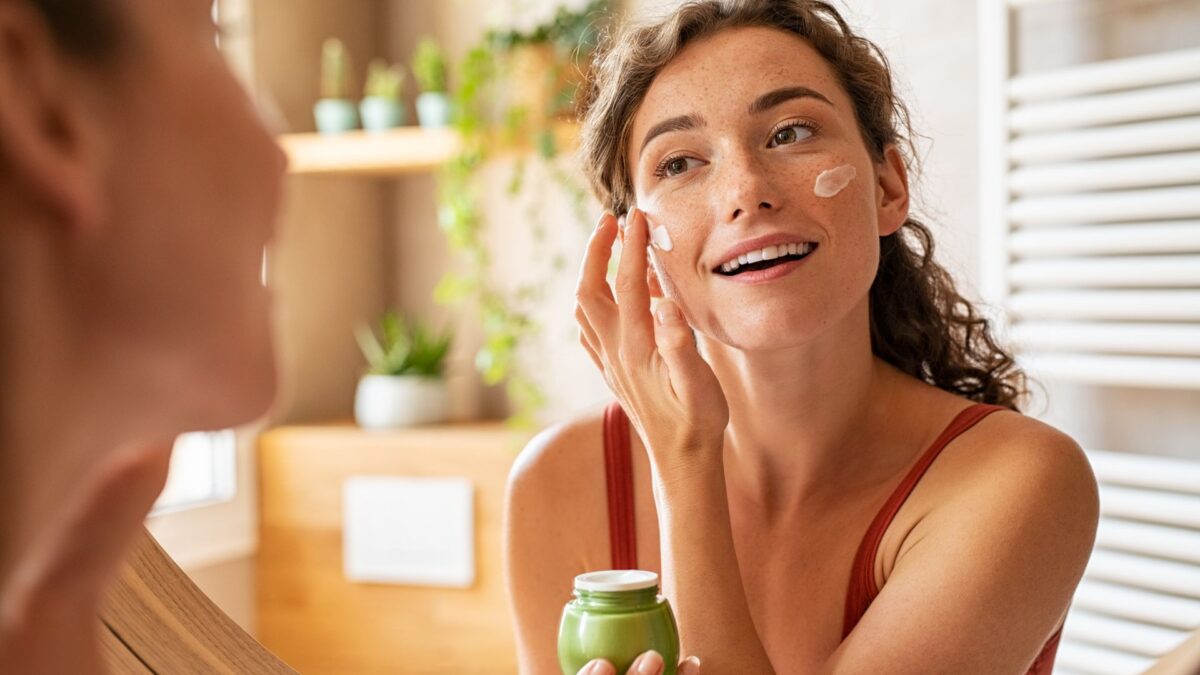
Another big concern is: can moisturizer make oily skin worse?
The answer depends on the formula. Not all moisturizers are created for the same skin type. Heavy creams filled with comedogenic ingredients can clog pores, trap oil, and leave a greasy finish. That type of product can definitely make oily skin feel heavier and more congested.
However, a moisturizer that won’t clog pores is completely different. The right formula helps maintain hydration without adding excess shine or blocking pores.
Look for:
- Non greasy textures
- Water based formula
- Oil free moisturizer for oily skin
- Non comedogenic moisturizer
These types of products absorb quickly and provide lightweight hydration without suffocating the skin.
The wrong product can make your skin feel thick and uncomfortable. But the right product will actually help balance oil levels, reduce dehydration, and improve overall texture.
Avoid thick occlusive creams unless your dermatologist specifically recommends them. Oily skin usually responds better to lightweight hydration that supports the skin barrier without overwhelming it.
How to Moisturize Oily Skin Without Breakouts
If you’re searching for how to moisturize oily skin without breakouts, the key is choosing the right texture and using the right amount. Application technique matters just as much as the product itself.
Start with an oil free moisturizer for oily skin or a non comedogenic moisturizer. These formulas are specifically designed to hydrate without clogging pores or triggering excess shine. Lightweight, water based, or gel formulas are usually the safest choice for acne prone and oily skin types.
Here’s how to apply it correctly:
- Cleanse your face gently to remove excess oil and buildup
- Apply toner if you use one
- While skin is slightly damp, apply a small amount of moisturizer
- Use about a pea size amount for your entire face
Applying moisturizer on slightly damp skin helps lock in hydration more effectively. Using too much product can overload your pores and leave your skin feeling greasy, so keeping the amount minimal is important.
When you focus on hydrating oily skin properly, you’ll notice less tightness, reduced irritation, and more balanced oil production over time. Gel textures work especially well because they absorb quickly, feel breathable, and do not sit heavy on the surface.
Best Moisturizer for Oily Skin
Finding the best moisturizer for oily skin comes down to texture and ingredients. Oily skin needs hydration, but it also needs formulas that feel light, breathable, and non clogging. The right product should support your skin barrier without adding excess shine or heaviness.
Look for:
- Lightweight moisturizer for oily skin
- Gel moisturizer for oily skin
- Oil free moisturizer for oily skin
- Matte finish formulas
- Oil control support
If you’re on a budget, there are excellent options for the best drugstore moisturizer for oily skin. Many affordable brands now offer water based formula products that deliver hydration while keeping the skin fresh and balanced.
A gel moisturizer for oily skin usually feels cooling and absorbs quickly into the skin. It does not leave a greasy residue and works especially well under sunscreen and makeup. These formulas are ideal for daily use, particularly in humid climates or during summer months.
The goal is simple: maintain proper hydration while avoiding shine overload. When your skin is properly moisturized, oil production becomes more balanced and your overall texture looks smoother and healthier.
Best Ingredients in Moisturizer for Oily Skin
When shopping, focus on the best ingredients in moisturizer for oily skin. The right ingredients can hydrate, balance oil production, and support your skin barrier without clogging pores or feeling heavy.
Here are top performers:
Hyaluronic Acid
Hyaluronic acid for oily skin is excellent because it attracts water without adding oil. It acts as a humectant, meaning it pulls moisture into the skin and helps maintain hydration levels. This keeps skin looking plump and healthy without any greasy residue, making it ideal for lightweight formulations.
Niacinamide
A niacinamide moisturizer for oily skin helps regulate oil production and visibly reduce redness. It also strengthens the skin barrier, improves texture, and can minimize the appearance of enlarged pores over time. This ingredient is especially helpful for oily and acne prone skin types.
Ceramides
A ceramide moisturizer for oily skin supports and repairs the skin barrier while preventing transepidermal water loss. Even oily skin needs barrier protection. When the barrier is strong, the skin is less likely to overproduce oil in response to dehydration.
These ingredients provide balanced hydration, improve overall skin function, and support long term skin health without clogging pores.
Morning vs Night Moisturizer for Oily Skin
Your skincare routine for oily skin should slightly adjust between morning and night because your skin has different needs throughout the day.
A morning moisturizer for oily skin should be:
- Lightweight
- Fast absorbing
- Compatible with sunscreen
- Matte finish if possible
In the morning, your focus is oil control, comfort, and smooth layering. A lightweight formula prevents excess shine and allows sunscreen and makeup to sit properly on the skin without pilling or feeling heavy.
At night, a night moisturizer for oily skin can focus more on repair and calming ingredients. This is when your skin naturally goes into recovery mode. Evening formulas can include barrier supporting ingredients like niacinamide or ceramides, as long as the texture remains breathable and non greasy.
During the day, you want balanced hydration with oil control. At night, you want barrier support and recovery. Using the right texture at the right time helps keep oily skin stable, reduces irritation, and supports long term skin health.
How Much Moisturizer for Oily Skin
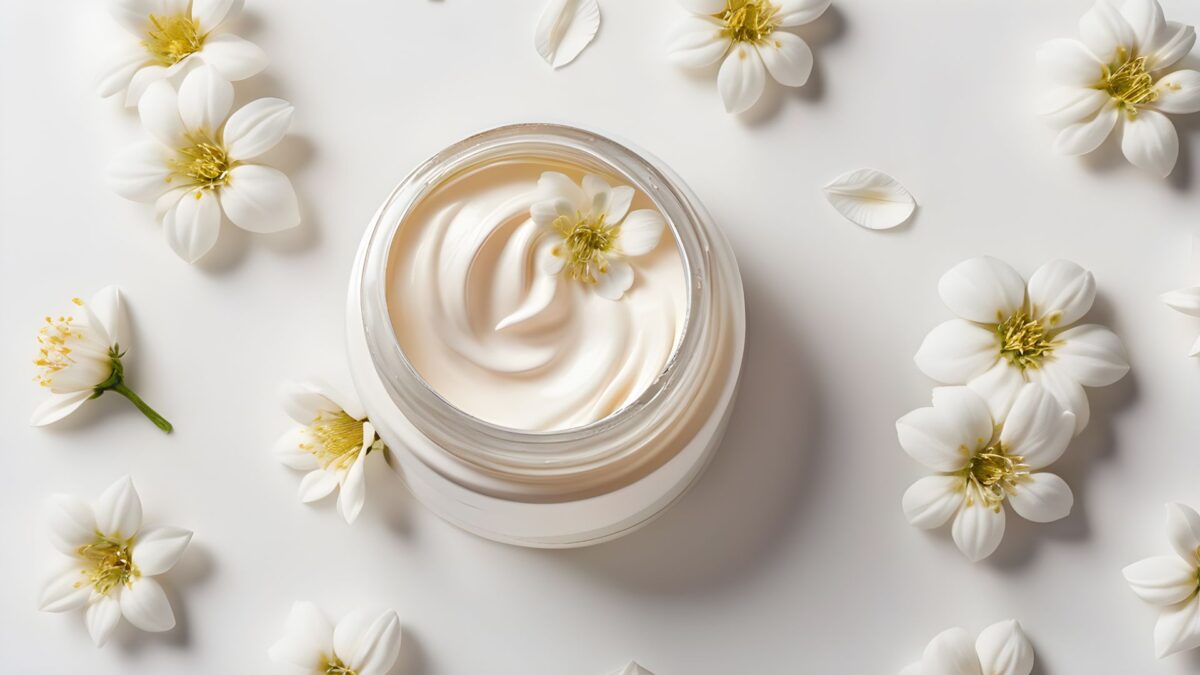
Many people overapply product. If you’re wondering how much moisturizer for oily skin, the answer is simple: less than you think.
A pea sized amount is usually enough for the entire face. Oily skin does not need thick layers of product. In fact, applying too much can create unnecessary buildup and make your skin feel heavier throughout the day.
Over layering products can overwhelm your pores and lead to congestion, especially if you are already using serums, sunscreen, or acne treatments. Hydrating oily skin properly means using just enough moisturizer to prevent dehydration without creating shine overload.
If your skin still feels tight after application, adjust slowly instead of doubling the amount immediately. You can also focus on how to balance oily skin naturally by avoiding harsh cleansers, limiting over exfoliation, and protecting your skin barrier.
The goal is balance, not stripping. When hydration and oil production are balanced, your skin looks smoother, calmer, and more controlled.
Oil Free vs Gel Moisturizer for Oily Acne Prone Skin
Choosing a moisturizer for oily acne prone skin can feel overwhelming because you want hydration without triggering breakouts.
An oil free moisturizer for oily skin is formulated to provide moisture without adding extra oils that may contribute to congestion. These products are typically lightweight and designed to reduce the risk of clogged pores.
A gel moisturizer for oily skin is usually even lighter in texture and absorbs very quickly into the skin. Gel formulas often feel cooling and refreshing, making them especially comfortable for acne prone and combination skin types.
Both are great options, especially when they use a water based formula that delivers hydration without heaviness.
For oil control, gel textures often perform better because they:
- Feel breathable on the skin
- Reduce visible shine
- Layer well under sunscreen
- Minimize risk of clogged pores
Avoid thick creams that are heavy in occlusive agents unless your dermatologist specifically recommends them. Oily acne prone skin generally responds better to lightweight hydration that supports the barrier without overwhelming it.
How to Balance Oily Skin Naturally
If you want to know how to balance oily skin naturally, focus on consistency rather than aggressive treatments. Oily skin often becomes worse when it is stripped too harshly. Supporting your skin barrier gently allows oil production to regulate itself over time.
- Use gentle cleanser
- Avoid harsh alcohol based toners
- Moisturize daily
- Use sunscreen
- Avoid over exfoliation
When your skin barrier is healthy, excess oil production becomes more controlled and stable. Stripping the skin with strong cleansers or overusing active ingredients can trigger more sebum production as a protective response.
Remember, oil production is often a reaction to dehydration or irritation. When you maintain hydration, protect your barrier, and avoid unnecessary stress on the skin, you create the right conditions for long term balance and fewer breakouts.
Frequently Asked Questions
Does oily skin really need moisturizer?
Yes. Oily skin still needs hydration to protect the skin barrier and prevent excess sebum production.
Can skipping moisturizer reduce oil?
No. Skipping moisturizer can increase oil production because your skin tries to compensate for dehydration.
What type of moisturizer is best for oily acne prone skin?
A lightweight, gel based, non comedogenic moisturizer for oily acne prone skin works best.
Final Thoughts
Understanding why oily skin still needs moisturizer can completely change how your skin behaves.
Skipping hydration may feel like a shortcut to less shine, but it usually increases excess sebum production, weakens your skin barrier, and leads to more acne breakouts.
When you choose the best moisturizer for oily skin, focus on:
- Lightweight textures
- Oil free formulas
- Non comedogenic moisturizer
- Ingredients like hyaluronic acid, niacinamide, and ceramides
With the right approach, you can hydrate your skin, support oil control, and finally achieve balance.
Oily skin does not need less care.
It just needs the right care.