
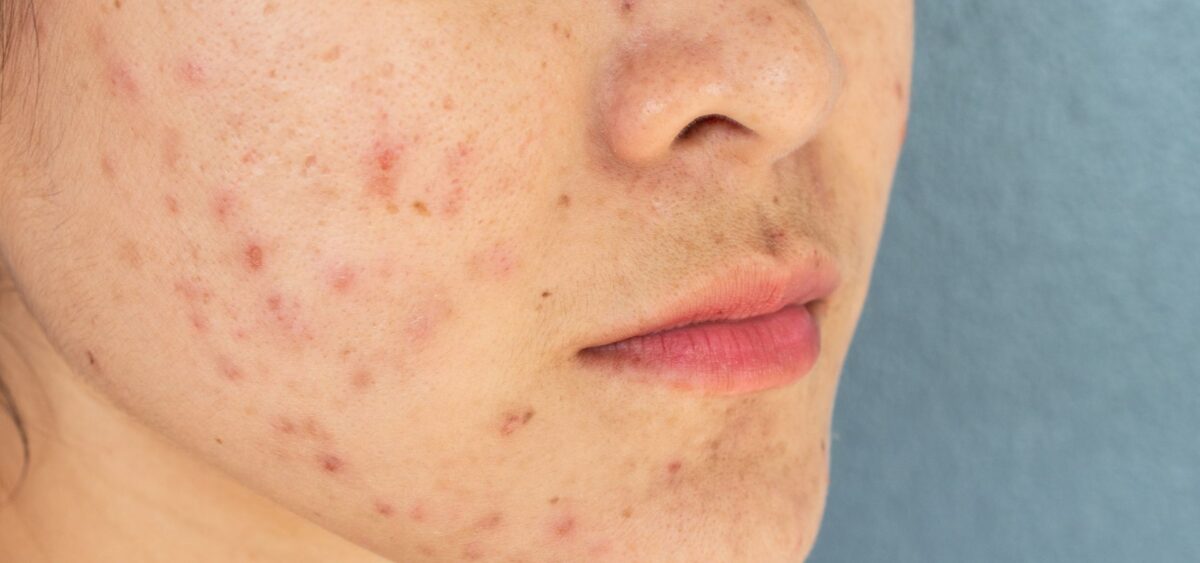
Hormonal acne in women is very different from teenage breakouts. It tends to be deeper, more painful, and often shows up as cystic acne along the chin and jawline. If you constantly deal with breakouts before your period, painful under-the-skin bumps, or recurring flare-ups that never fully go away, you’re likely dealing with hormonal acne.
Understanding the best ingredients for hormonal acne is the first step toward clear skin. Unlike surface level pimples, hormonal acne is triggered by internal fluctuations, especially androgens that increase excess sebum production. That extra oil mixes with dead skin cells, leading to clogged pores, inflammation, and sometimes long lasting acne scars.
In this guide, we’ll break down the most effective hormonal acne treatment ingredients, how they work, and how to build smart skincare for hormonal acne, especially if you’re over 25 or struggling with adult breakouts.
What Is Hormonal Acne and Why It Happens
Hormonal acne is driven by internal hormone fluctuations rather than just surface-level oil or bacteria. This type of acne is deeply connected to changes inside the body, which is why it often feels persistent and recurring.
Hormonal acne is most common during:
- Menstrual cycles
- Pregnancy
- Perimenopause
- High stress periods
- After stopping birth control
Many women search for a “hormone imbalance acne treatment,” hoping for a quick fix. The truth is that topical skincare cannot fully correct hormone levels. Skincare works on the surface of the skin, while hormones are regulated internally. However, using the right ingredients that help hormonal acne can significantly control symptoms like excess oil, clogged pores, and inflammation.
Understanding the root causes helps you manage it more realistically.
The Root Causes
1. Androgens
Androgens are often called male hormones, but women produce them too. When androgen levels fluctuate or increase, they stimulate the oil glands. This leads to higher oil production, which plays a central role in hormonal acne in women.
2. Excess Sebum
Increased oil production (excess sebum) mixes with dead skin cells and clogs pores. This creates the perfect environment for breakouts. Excess sebum is one of the primary reasons women search for solutions related to hormone imbalance acne treatment.
3. Inflammation
Hormonal acne is often inflammatory. That’s why it frequently appears as painful, cystic breakouts rather than small surface pimples. The body’s inflammatory response contributes to redness, swelling, and tenderness.
4. Stress Related Hormonal Acne
Stress increases cortisol levels in the body. Higher cortisol can stimulate oil production and worsen breakouts. This is why many women notice flare-ups during emotionally demanding or high-pressure periods. Stress related hormonal acne is very common and often underestimated.
Some women also experience worsening breakouts due to birth control acne side effects, particularly after stopping hormonal contraceptives. When synthetic hormones are withdrawn, the body may take time to rebalance, leading to temporary breakouts.
Unlike random acne, hormonal acne in women often appears repeatedly in the same areas — especially along the lower face, jawline, and chin. These recurring patterns are one of the key signs that hormones, not just skincare habits, are involved.Select 92 more words to run Humanizer.
Salicylic Acid for Hormonal Acne
One of the most effective and accessible ingredients is salicylic acid for hormonal acne. If your breakouts are recurring, deep, and concentrated around the chin or jawline, this ingredient can play a major role in controlling them.
Salicylic acid is a beta hydroxy acid (BHA) that works differently from surface exfoliants. It is oil-soluble, which means it can move through excess sebum and reach deep inside the pores — exactly where hormonal acne in women begins.
Salicylic acid helps by:
- Penetrating deep into pores
- Dissolving excess sebum
- Preventing clogged pores
- Reducing inflammation
Because hormonal acne is largely oil-driven, salicylic acid for hormonal acne directly addresses the root trigger: excess oil and pore congestion. Instead of only treating visible pimples, it works preventively by keeping pores clear before breakouts fully form.
For many women, it becomes a core part of their hormonal acne skincare routine for women, especially in cleanser or leave-on exfoliant form. A salicylic acid cleanser can help control oil daily without overwhelming the skin, while a leave-on BHA treatment offers deeper pore support a few times per week.
If you experience acne during periods treatment concerns, salicylic acid can be particularly helpful in the days leading up to your cycle. Using it consistently may minimize flare-ups before they become inflamed or cystic.
While it cannot regulate hormones internally, salicylic acid for hormonal acne remains one of the most practical and dermatologist-trusted ingredients for managing oil-driven breakouts and maintaining clearer skin over time.
Benzoyl Peroxide for Hormonal Acne
Another powerful option is benzoyl peroxide for hormonal acne. While hormonal acne is internally triggered by hormone fluctuations and excess oil production, bacteria still contribute to the severity of breakouts. This is where benzoyl peroxide becomes useful.
Even in hormonal acne in women, clogged pores filled with oil can create an environment where acne-causing bacteria multiply. Benzoyl peroxide directly targets this factor.
Benzoyl peroxide works by:
- Killing acne-causing bacteria
- Reducing swelling
- Speeding up healing
Because of its antibacterial action, benzoyl peroxide for hormonal acne is especially helpful for inflamed pimples that feel red, swollen, or painful. It’s particularly useful for breakouts that surface during PMS, when oil production increases and inflammation becomes more noticeable.
For women managing recurring flare-ups as part of a hormonal acne skincare routine for women, benzoyl peroxide is often used as a spot treatment rather than a full-face product. This targeted approach helps calm active blemishes without overwhelming the rest of the skin.
However, benzoyl peroxide can weaken the skin barrier if overused. Applying it too frequently or in high concentrations may cause dryness, peeling, or irritation — which can actually worsen breakouts over time. That’s why it’s recommended to start with lower concentrations (2.5%–5%). These strengths are often just as effective as higher percentages but are gentler on the skin.
Used correctly, benzoyl peroxide for hormonal acne can be a strong support ingredient for reducing inflammation and helping blemishes heal faster, especially during hormonal flare-ups.
Retinol for Hormonal Acne
If you’re dealing with adult hormonal acne treatment, retinol is often considered the gold standard. Dermatologists frequently recommend it because it addresses multiple layers of the acne cycle, from clogged pores to post acne marks.
Retinol for hormonal acne works by normalizing how your skin cells renew and shed. In hormonal acne, excess oil and sticky dead skin cells can clog pores easily. Retinol helps correct that process at a deeper level.
Retinol for hormonal acne works by:
- Increasing cell turnover
- Preventing clogged pores
- Reducing acne scars
- Improving skin texture
By increasing cell turnover, retinol helps prevent buildup inside the pores, which is especially important in hormonal acne in women where oil production is already elevated. Fewer clogged pores mean fewer inflammatory breakouts over time.
It’s especially helpful for women over 30 whose natural skin cell renewal begins to slow down. As turnover decreases with age, breakouts can take longer to heal and leave behind stubborn marks. That’s why retinol becomes a key part of an effective adult hormonal acne treatment plan.
Another major benefit of retinol for hormonal acne is its ability to reduce post inflammatory hyperpigmentation, the dark spots left behind after cystic acne heals. Retinol gradually fades these marks while improving overall skin texture and smoothness.
Consistency is key. Retinol does not deliver overnight results. Most women begin to see visible improvement after 8 to 12 weeks of regular use. Slow, steady application, usually starting a few nights per week, helps minimize irritation while allowing your skin to adjust.
When used correctly, retinol for hormonal acne supports clearer pores, smoother texture, and fewer long-term marks, making it one of the most effective long-term ingredients for managing adult hormonal breakouts.
Niacinamide for Hormonal Acne
If your skin feels irritated, sensitive, or inflamed, niacinamide for hormonal acne can be extremely beneficial. Hormonal breakouts are often not just about excess oil, they also involve redness, swelling, and a weakened skin barrier. Niacinamide helps calm and rebalance the skin without being harsh.
Unlike stronger actives that mainly target exfoliation or bacteria, niacinamide focuses on restoring balance, which makes it ideal for hormonal acne in women, especially those dealing with both oiliness and sensitivity.
Benefits of niacinamide for hormonal acne include:
- Oil control
- Reduces redness
- Strengthens skin barrier
- Minimizes pore appearance
One of the biggest advantages of niacinamide is its ability to regulate excess sebum without stripping the skin. Since hormonal acne is often oil-driven, controlling oil production gently can reduce the frequency of clogged pores and inflammatory breakouts.
It also reduces visible redness, which is common with cystic or recurring hormonal pimples. By strengthening the skin barrier, niacinamide makes the skin more resilient and less reactive to other treatments used in an adult hormonal acne treatment routine.
Niacinamide pairs well with salicylic acid and retinol, making it one of the best skincare ingredients for acne in almost any routine. It can be used in the morning for oil control or at night alongside stronger actives to buffer irritation.
For women struggling with oil control and sensitivity at the same time, niacinamide for hormonal acne provides balance without over-drying. It supports clearer skin while keeping the barrier calm, stable, and healthy over time.
Azelaic Acid for Hormonal Acne
Azelaic acid for hormonal acne is often underrated, but it can be highly effective, especially for women dealing with inflammation, redness, and post acne marks. Unlike some stronger actives, azelaic acid works in a balanced way, making it suitable for many skin types.
Hormonal acne in women is usually inflammatory and may leave behind dark spots or lingering redness. This is where azelaic acid becomes particularly valuable.
Azelaic acid for hormonal acne:
- Reduces inflammation
- Fights acne-causing bacteria
- Lightens hyperpigmentation
- Is safe for sensitive skin
By reducing inflammation, azelaic acid helps calm swollen, tender breakouts that are common in hormonal flare-ups. Its antibacterial properties support clearer pores without being as aggressive as some other treatments.
Another major benefit of azelaic acid for hormonal acne is its ability to fade post inflammatory hyperpigmentation. If your breakouts leave dark marks, especially along the jawline or chin, azelaic acid helps gradually brighten uneven skin tone while preventing new congestion.
It’s particularly helpful if you’re dealing with persistent redness or reactive skin as part of your skincare for hormonal acne routine. Because it’s generally well-tolerated, it can be a strong option for those who cannot handle stronger ingredients.
Azelaic acid is also considered safe during pregnancy (though you should always consult a professional first), which makes it a versatile ingredient in skincare for hormonal acne across different life stages.
When used consistently, azelaic acid for hormonal acne supports calmer skin, fewer inflamed breakouts, and a more even complexion over time.
Natural Ingredients for Hormonal Acne
Many women look for natural ingredients for hormonal acne, especially when they’re searching for answers on how to treat hormonal acne naturally. While hormonal acne is internally driven, certain natural options can help manage surface-level symptoms like inflammation and excess oil.
It’s important to understand that natural remedies typically support your routine, they don’t directly correct hormone fluctuations. However, they can be helpful additions to a balanced skincare for hormonal acne plan.
Here are a few commonly used options:
option-1. Tea Tree Oil for Hormonal Acne
Tea tree oil for hormonal acne is known for its antibacterial and anti-inflammatory properties. Because hormonal breakouts are often red and swollen, tea tree oil may help calm active pimples and reduce visible irritation.
It works by targeting acne-causing bacteria on the surface of the skin. When diluted properly, it can be applied as a spot treatment to inflamed breakouts. However, it should always be used carefully, as concentrated essential oils may irritate sensitive skin.
option-2. Zinc for Hormonal Acne
Zinc for hormonal acne is another popular natural approach. Zinc plays a role in regulating oil production and supporting immune function. Since excess sebum is a major trigger in hormonal acne in women, maintaining balanced zinc levels may help reduce the severity of breakouts.
Some women choose oral zinc supplements as part of a broader hormone imbalance acne treatment plan, but supplementation should only be done under medical guidance to avoid side effects or imbalances.
While these natural ingredients for hormonal acne can provide supportive benefits, they are usually not standalone solutions. For most women, they work best when combined with a consistent routine that includes proven active ingredients and healthy lifestyle habits.
If you’re exploring how to treat hormonal acne naturally, think of these options as complementary tools rather than complete replacements for a structured acne management plan.
Best Ingredients for Hormonal Acne Over 30
If you’re searching for the best ingredients for hormonal acne over 30, it’s important to understand that your skin’s needs begin to shift with age. Hormonal fluctuations may still trigger breakouts, but your skin barrier, collagen levels, and healing capacity are no longer the same as they were in your early 20s.
After 30:
- Collagen production decreases
- Skin barrier becomes weaker
- Healing slows down
Because of these changes, aggressive treatments can easily cause irritation. The goal is to control breakouts while protecting long-term skin health.
For this age group, the best ingredients for hormonal acne over 30 include:
- Retinol (gentle strength)- Retinol supports cell turnover, prevents clogged pores, and improves texture. In your 30s, it also helps address early signs of aging while supporting adult hormonal acne treatment. A gentle strength used consistently is more effective than a high strength used aggressively.
- Niacinamide- Niacinamide helps regulate oil production while strengthening the skin barrier. Since barrier resilience decreases after 30, this ingredient becomes essential in balancing hormonal acne in women without causing dryness.
- Azelaic acid- Azelaic acid reduces inflammation and helps fade post-acne hyperpigmentation. Because healing slows down after 30, dark marks may linger longer — making azelaic acid a valuable addition.
- Salicylic acid (limited frequency)- Salicylic acid remains helpful for unclogging pores, but it should be used in moderation. Over-exfoliation can weaken the barrier further, so limited frequency works best in a routine focused on both acne control and skin strength.
This combination supports acne control without damaging the skin barrier. When managing hormonal acne over 30, balance is key, targeting oil and inflammation while protecting collagen and overall skin health.
Hormonal Acne on Chin and Jawline – What Works Best
Hormonal acne on chin and jawline is extremely common, especially in adult women. This lower-face area is more sensitive to hormonal shifts, which is why breakouts tend to appear repeatedly in the same spots.
Unlike surface-level pimples, hormonal acne on chin and jawline is often:
- Deep
- Painful
- Recurrent
- Slow to heal
These breakouts are usually inflammatory and may feel tender under the skin before they fully surface. Because they are driven by internal hormone fluctuations, they require a consistent and targeted approach rather than aggressive treatment.
Best Approach
Salicylic acid for oil regulation
Salicylic acid helps control excess sebum and prevent clogged pores. Since hormonal acne is largely oil-driven, this ingredient supports clearer pores and reduces the likelihood of deep congestion forming in the jawline area.
Retinol for prevention
Retinol improves cell turnover and helps prevent pore blockages before they develop into painful cysts. Over time, it also helps fade post-acne marks, which are common with hormonal acne on chin and jawline.
Spot treatment for inflammation
For active, swollen breakouts, a targeted spot treatment can reduce inflammation and speed up healing. This approach limits irritation to the affected area instead of overwhelming the entire face.
Cystic acne in this region requires patience. These blemishes often take longer to heal because they develop deeper under the skin. Avoid picking or squeezing, as this significantly increases the risk of acne scars and post-inflammatory hyperpigmentation.
With consistent oil control, preventive treatment, and gentle care, hormonal acne on chin and jawline can become more manageable over time.
How to Reduce Hormonal Acne Flare Ups
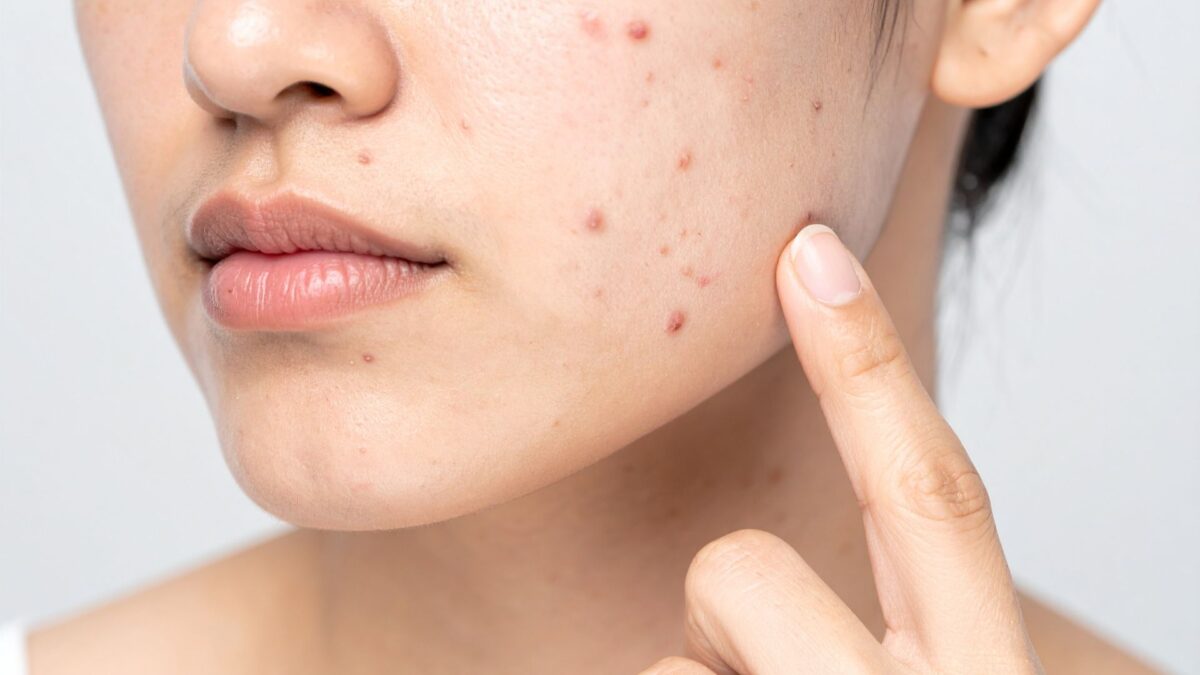
If you’re wondering how to reduce hormonal acne flare ups, it’s important to understand that topical ingredients alone are not enough. While products help manage oil and inflammation on the surface, hormonal acne is influenced by internal factors — which means lifestyle plays a major role.
To truly manage hormonal acne in women, you need a combined approach: consistent skincare plus internal balance.
Here are key lifestyle adjustments to consider:
Diet
If you notice a pattern between certain foods and breakouts, it may be worth adjusting your diet. Some women find that limiting high-glycemic foods (like sugary snacks and refined carbs) helps reduce flare-ups. Excessive dairy may also trigger breakouts in certain individuals.
Diet doesn’t cause hormonal acne for everyone, but if you’re exploring how to reduce hormonal acne flare ups, tracking food patterns can provide helpful insight.
Stress Management
Stress related hormonal acne is extremely common. When stress levels rise, cortisol increases. Elevated cortisol can stimulate oil production and worsen inflammation — creating the perfect environment for breakouts.
Incorporating stress-reducing habits such as meditation, regular exercise, deep breathing, and proper sleep can help stabilize cortisol levels. Even small daily habits can support a more balanced internal environment.
Sleep
Poor sleep disrupts hormone regulation and increases inflammation in the body. When your sleep cycle is irregular, your skin often reflects it through increased oil production and slower healing.
Prioritizing consistent, quality sleep supports overall hormone stability and can reduce the frequency of flare-ups.
When managing how to reduce hormonal acne flare ups, remember that skincare is only one piece of the puzzle. Consistency in your routine, combined with stress balance, mindful eating, and proper sleep, creates more sustainable, long-term results.
Dermatologist Recommended Ingredients for Acne
Dermatologists commonly recommend the following clinically proven ingredients:
- Retinoids
- Salicylic acid
- Benzoyl peroxide
- Azelaic acid
- Niacinamide
These dermatologist recommended ingredients for acne are well-studied and effective when used correctly and consistently. Each works differently:
- Retinoids increase cell turnover and prevent clogged pores.
- Salicylic acid penetrates deep into pores to dissolve excess oil.
- Benzoyl peroxide kills acne-causing bacteria and reduces inflammation.
- Azelaic acid helps calm redness and fade post-acne marks.
- Niacinamide supports the skin barrier and controls excess oil.
The key is not using everything at once. Overloading your skin can cause irritation, dryness, and barrier damage, which may worsen breakouts.
Instead, build gradually. Introduce one active ingredient at a time, monitor how your skin responds, and adjust frequency as needed. A balanced, consistent routine is far more effective than an aggressive one.
Frequently Asked Questions
What is the best ingredient for hormonal acne?
Retinol and salicylic acid are among the best ingredients for hormonal acne because they target clogged pores and oil production.
Does salicylic acid help hormonal acne?
Yes. Salicylic acid helps unclog pores and control excess sebum, reducing flare-ups.
Is retinol good for hormonal breakouts?
Retinol prevents clogged pores and supports long-term adult hormonal acne treatment.
Final Thoughts
Finding the best ingredients for hormonal acne isn’t about chasing trends, it’s about understanding how your skin responds to hormonal changes.
The most effective approach combines:
- Salicylic acid for hormonal acne
- Retinol for hormonal acne
- Niacinamide for hormonal acne
- Azelaic acid for hormonal acne
- Balanced lifestyle habits
Whether you’re building skincare for hormonal acne in your 20s or searching for the best ingredients for hormonal acne over 30, consistency and patience are your strongest tools.
Clear skin doesn’t happen overnight, but with the right ingredients, it absolutely becomes achievable.