
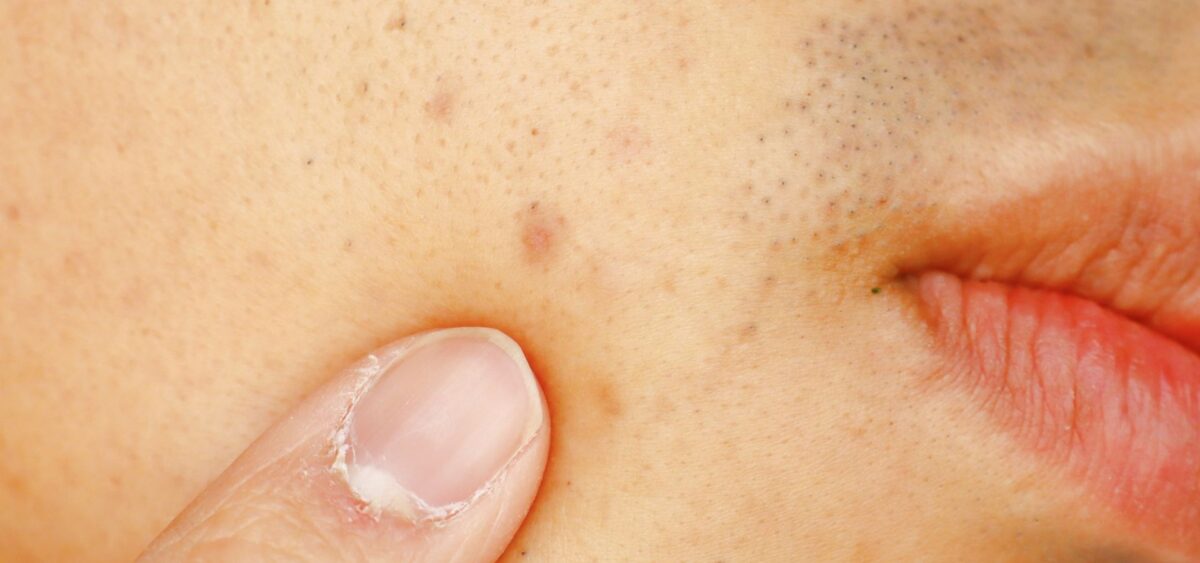
Acne can be stressful, but the marks it leaves behind often feel even worse. The good news is that most scars are preventable. If you understand how to prevent acne scars naturally, you can protect your skin during the healing process and dramatically lower the risk of long term damage.
Many people assume scars are unavoidable. In reality, scars often form because breakouts are handled the wrong way. Picking, squeezing, ignoring inflammation, or damaging your skin barrier are usually the real reasons.
If you want to prevent acne scars naturally and truly heal acne without scars, the key is treating breakouts early, gently, and consistently.
Most acne scars are preventable if you treat breakouts the right way. Let’s break down exactly how.
Why Acne Leaves Scars
Acne scars form when the inflammation caused by a breakout damages the deeper layers of the skin.
When pores become clogged with excess oil (sebum) and dead skin cells, bacteria begin to multiply inside. Your body treats this as an infection and sends inflammatory cells to fight it. This response causes redness, swelling, and pain.
If the inflammatory acne is mild and heals quickly, scarring usually does not occur. However, when inflammation is severe especially in cases of cystic acne it can damage the surrounding skin tissue. Once deeper tissue is injured, the risk of acne scar formation increases significantly.
How Inflammation Damages Skin
The longer a breakout remains swollen and irritated, the more likely it is to affect the deeper layers of the skin.
Severe inflammation in acne weakens the skin’s natural structure. It can break down collagen fibers and damage the skin’s support system. As a result, deep or painful pimples are more likely to leave behind uneven texture or permanent marks.
Collagen Imbalance and Scar Formation
As acne heals, the skin begins collagen production to repair the damaged area.
Scars develop when this healing process becomes unbalanced:
- Too little collagen leads to depressed or atrophic acne scars, where the skin appears sunken.
- Too much collagen leads to raised or hypertrophic acne scars, where the skin appears thickened or elevated.
When collagen production is not properly regulated, permanent texture changes can occur, resulting in visible post-acne scars.
Acne Scars vs Acne Marks
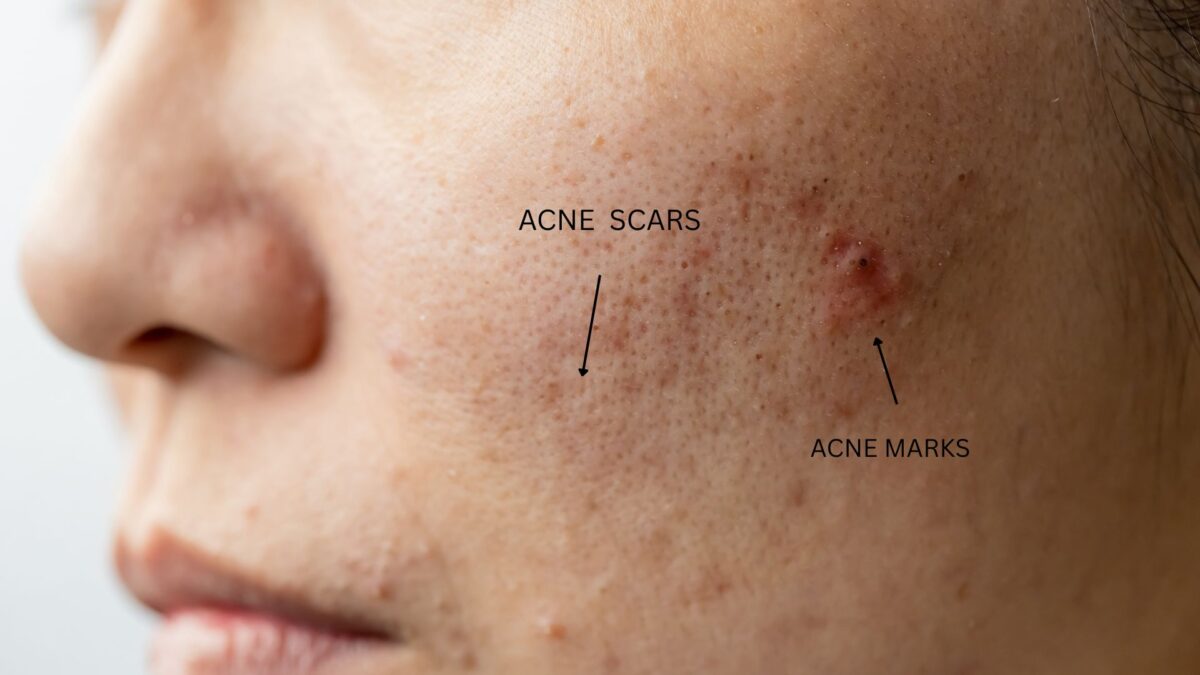
Not every spot left after acne is a true scar.
What Are Acne Marks?
Acne marks, often called post inflammatory hyperpigmentation PIH, are flat dark spots that remain after a breakout heals. They develop because inflammation triggers excess melanin production in the skin.
Unlike scars, these marks do not cause changes in skin texture. The surface of the skin remains smooth, but the color appears darker or uneven. With consistent skincare, proper sun protection, and time, acne marks usually fade gradually.
What Are True Acne Scars?
True acne scars involve structural changes in the skin. They form when deeper layers of tissue are damaged during severe inflammation.
These scars may appear indented, sunken, or raised depending on how the skin healed and how collagen was produced. Because the structure of the skin is affected, true scars do not fade on their own as easily as pigmentation marks.
Understanding the difference between acne scars and acne marks helps you choose the right prevention and treatment approach.
Main Causes of Acne Scarring
Common Triggers of Acne Scarring
Several factors increase the risk of developing acne scars, especially when inflammation is not properly controlled.
- Picking or squeezing pimples
Manually popping acne pushes bacteria and debris deeper into the skin, worsening inflammation and increasing tissue damage. - Deep or long lasting inflammation
The longer a breakout stays swollen and irritated, the higher the chance that deeper layers of skin will be affected. - Untreated cystic acne
Severe forms of inflammatory acne damage surrounding tissue more aggressively, making acne scar formation more likely. - Overuse of harsh skincare products
Strong exfoliants, excessive scrubbing, or irritating treatments can weaken the skin and slow proper healing. - Damage to the skin barrier
When the protective barrier is compromised, the skin becomes more vulnerable to inflammation and improper repair.
Repeated trauma to inflamed skin significantly increases the risk of permanent acne scarring and long term texture changes.
How to Stop Acne Scars From Forming
If you’re wondering how to stop acne scars from forming, what you do during the breakout stage matters more than anything else. Scar prevention starts while the pimple is still active — not after it has healed.
1. Do Not Pick or Squeeze
This is the number one cause of scarring. Picking pushes bacteria and inflammation deeper into the skin, increasing tissue damage.
If you want to prevent pimple scars naturally, keep your hands off your skin — even if the blemish feels ready to pop.
2. Reduce Inflammation Early
The longer a breakout stays swollen and irritated, the higher the risk of collagen damage.
Calming inflammation quickly reduces the chance of permanent texture changes. Gentle anti-inflammatory ingredients and consistent care are key.
3. Treat Active Acne Properly
Untreated or poorly managed acne increases the likelihood of repeated inflammation in the same area. A consistent routine helps you:
- Shorten breakout duration
- Reduce swelling
- Avoid long-term tissue damage
- Prevent future scars
Simple but Powerful Acne Scar Prevention Tips
- Cleanse gently
- Avoid over-exfoliation
- Keep skin hydrated
- Protect from sun exposure
- Calm inflammation quickly
Overusing harsh products can damage your skin barrier, which slows healing and increases scar risk. Balanced care is far more effective than aggressive treatment.
These small daily habits make a major difference in your ability to heal acne without scars. Prevention is always easier than correction — and consistent, gentle care gives your skin the best chance to recover smoothly.
Best Natural Remedies for Acne Scar Prevention
When it comes to the best natural remedies for acne scars, prevention is far more effective than correction. Supporting your skin during the healing phase helps reduce inflammation, balance collagen production, and minimize long-term marks.
Here are some effective natural options that support acne scar treatment at home and fit well into a routine focused on natural skincare for acne scars:
- Aloe Vera
- Turmeric
- Raw Honey
- Ice
- Vitamin C
- Rosehip Oil
Why These Work
- These natural ingredients help by:
- Reducing inflammation early
- Supporting healthy collagen production
- Encouraging faster skin healing
- Minimizing discoloration after breakouts
When used consistently and gently, they can strengthen your skin’s ability to heal properly. The key to successful acne scar prevention is calming inflammation quickly and protecting your skin barrier while it repairs itself.
Aloe Vera for Acne Scar Prevention
Using aloe vera for acne scar prevention is one of the safest and most gentle natural approaches for supporting skin healing.
Aloe vera is rich in soothing compounds that help:
- Reduce inflammation
- Calm redness
- Support faster skin repair
- Encourage healthy collagen production
Collagen plays a critical role in preventing uneven texture. When inflammation is controlled early, the skin is more likely to heal smoothly without permanent indentation or raised scars.
How to Use Aloe Vera
Apply a thin layer of pure aloe vera gel to active breakouts or healing spots once daily. Make sure the product is alcohol-free and minimally processed to avoid irritation.
With consistent use, aloe can support your goal of learning how to prevent acne scars on face naturally by calming the skin during its most vulnerable healing stage.
Additional Benefits
Beyond scar prevention, aloe also:
- Soothes irritated or over-treated skin
- Supports the skin barrier
- Provides lightweight hydration without clogging pores
Because it is gentle and well-tolerated by most skin types, aloe vera is an excellent addition to a prevention-focused skincare routine.
Turmeric for Acne Scars
Using turmeric for acne scars is popular because of its strong anti-inflammatory and antioxidant properties.
Turmeric contains curcumin, a compound known for helping to:
- Calm redness
- Reduce inflammation
- Support skin healing
- Minimize the appearance of dark spots
It may be especially helpful for post-inflammatory hyperpigmentation (acne marks) — the flat discoloration left behind after breakouts.
How to Use Turmeric at Home
One of the simplest home remedies for acne marks is:
- Mix a small amount of turmeric powder with raw honey
- Apply a thin layer to affected areas
- Leave on for 10–15 minutes
- Rinse thoroughly
- Use once or twice a week
Honey adds antibacterial and soothing benefits, making the mixture gentler and more supportive for healing skin.
Important Tips
- Use a small amount to avoid temporary yellow staining
- Always patch test first
- Avoid overuse, as frequent application may irritate sensitive skin
When used consistently and gently, turmeric can support a natural routine focused on fading marks and improving overall skin tone while minimizing the risk of future scarring.
Vitamin C for Acne Scars
Vitamin C for acne scars is one of the most effective topical ingredients for fading discoloration and supporting smoother-looking skin.
It works by:
- Brightening dark spots caused by post-inflammatory hyperpigmentation
- Boosting collagen production, which supports healthy skin repair
- Reducing oxidative stress that can worsen pigmentation
- Helping prevent new pigmentation from forming after breakouts
If you’re searching for how to fade acne scars naturally, vitamin C is a powerful addition to your routine — especially for flat, dark marks rather than deep textural scars.
Why It’s Especially Helpful After Breakouts
After inflammation, the skin often produces excess pigment, leading to lingering dark spots. Vitamin C helps regulate this pigment production while encouraging balanced healing. This makes it particularly effective for preventing discoloration that develops post-acne.
How to Use It
- Apply a vitamin C serum once daily (preferably in the morning).
- Follow with sunscreen, since vitamin C works best when paired with UV protection.
- Start with a lower concentration if you have sensitive skin.
With consistent use, vitamin C can significantly improve uneven tone and help your skin recover more evenly after breakouts.
Best Oils to Prevent Acne Scars
Certain oils help strengthen the skin barrier and support healing. When the skin barrier is healthy and inflammation is controlled, the risk of long-term scarring decreases significantly.
The best oils to prevent acne scars include:
Rosehip oil
Rosehip oil supports collagen production and encourages skin regeneration. It is rich in essential fatty acids and natural vitamin A, which help improve skin texture over time. With consistent use, it may help reduce texture irregularities and improve the appearance of healing skin.
Tea tree oil
Tea tree oil helps reduce inflammation and has natural antibacterial properties. When diluted properly, it can calm active breakouts and reduce swelling. Less inflammation during the healing stage means a lower risk of permanent scarring.
Jojoba oil
Jojoba oil closely mimics the skin’s natural sebum. It helps balance oil levels, maintain hydration, and protect the skin barrier. A strong barrier allows the skin to repair itself more effectively and evenly.
These oils can support how to reduce acne scars naturally at home when used consistently and carefully. The key is proper application, dilution where necessary, and avoiding overuse that may irritate sensitive skin.
How to Prevent Acne Scars After Popping
Sometimes a pimple gets popped accidentally. If that happens, quick action matters. When the skin is broken, inflammation can spread deeper and increase the risk of permanent scarring. The goal is to calm the area immediately, prevent infection, and support proper healing without causing further irritation.
Immediate Steps to Reduce Damage
- Gently cleanse the area. Use a mild, non stripping cleanser to remove bacteria and excess oil. Avoid scrubbing, as friction can push inflammation deeper into the skin.
- Apply ice to reduce inflammation. Wrap ice in a clean cloth and apply for a few minutes to reduce swelling and redness. Ice helps lower scarring risk by controlling inflammation early, but it is not a complete solution on its own.
- Use aloe vera. Apply a thin layer of pure aloe vera gel to soothe irritation and support skin repair. Aloe helps calm redness and strengthens the skin barrier during healing.
- Apply a calming treatment. Choose gentle, barrier supporting ingredients instead of harsh acne products. Avoid strong exfoliants or drying treatments on the open area.
- Protect the area from sun exposure. Healing skin is more prone to dark marks. Once the area has closed, apply sunscreen to prevent long term pigmentation.
Acting quickly and following these steps can significantly reduce the risk of permanent damage. The key is to minimize inflammation, protect the skin barrier, and allow the area to heal naturally without picking or over treating it.
How to Prevent Acne Scars From Cystic Acne
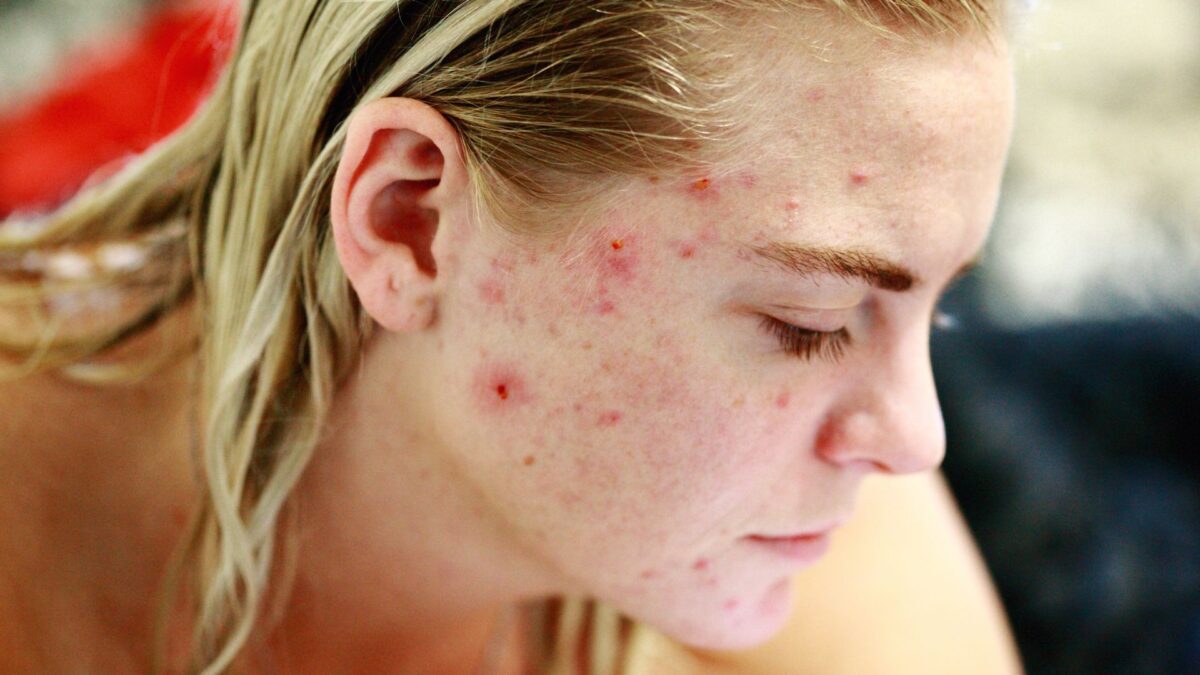
Deep breakouts carry the highest risk of scarring because they develop far beneath the surface of the skin. Cystic acne creates intense inflammation, swelling, and pressure within the deeper layers, which increases the likelihood of collagen damage and permanent texture changes.
If you want to know how to prevent acne scars from cystic acne, focus on calming inflammation immediately and avoiding pressure on the area. The more trauma and swelling that occur, the greater the risk of long term tissue damage.
Never squeeze deep pimples. Unlike surface level breakouts, cystic lesions do not have an easy opening and squeezing can rupture the follicle wall underneath the skin. This spreads inflammation into surrounding tissue and significantly increases scar formation.
Early treatment is essential. Managing cystic acne quickly helps reduce the duration and severity of inflammation. Severe cystic acne often benefits from professional care because deeper tissue damage increases scar risk and may require prescription treatment.
Reducing inflammation early is the most effective way to protect collagen. When inflammation is controlled, the skin can repair itself more evenly, lowering the chances of permanent scarring.
How to Prevent Dark Spots After Acne
Many people are actually dealing with pigmentation rather than true scars. These flat brown or dark marks are called post inflammatory hyperpigmentation and they occur when the skin produces excess pigment after a breakout heals.
If you are searching for how to prevent dark spots after acne or how to prevent pimple marks naturally, focus on these steps:
- Daily sunscreen
- Vitamin C
- Aloe vera
- Gentle exfoliation
Daily sunscreen is the most important step because sun exposure darkens healing skin and makes pigmentation last longer. Vitamin C helps brighten uneven tone and supports balanced pigment production. Aloe vera calms inflammation and supports skin repair during the healing stage.
Light exfoliation helps prevent clogged pores and encourages faster cell turnover, which allows darkened cells to shed more quickly. However, overdoing it can damage the skin barrier and worsen pigmentation. Dark spots fade faster when inflammation is controlled, the skin barrier is protected, and sun exposure is minimized consistently.
Does Ice Prevent Acne Scars
So, does ice prevent acne scars completely?
Ice helps reduce inflammation and swelling. Since inflammation plays a major role in tissue damage, calming it early can lower the risk of scar formation. When you apply ice shortly after a breakout becomes swollen or after a pimple is accidentally popped, it constricts blood vessels and reduces redness, which may help limit further irritation.
However, ice does not improve collagen production or repair damaged skin tissue. It also does not treat existing scars or dark spots. Think of it as supportive care rather than a complete solution. Ice can help control inflammation in the early stage, but proper skincare, sun protection, and gentle healing support are still necessary to truly reduce the risk of permanent scarring.
Daily Skincare Routine to Prevent Acne Scars Naturally
A consistent routine is one of the most powerful ways to prevent acne scars naturally. When inflammation is controlled and the skin barrier is protected daily, healing becomes smoother and the risk of long term marks decreases.
If you are serious about natural skincare for acne scars, here is a simple structure.
Morning:
- Gentle cleanser
- Vitamin C serum
- Light moisturizer
- Broad spectrum sunscreen
The gentle cleanser removes oil and impurities without stripping the skin. Vitamin C helps brighten dark spots and supports collagen production. A light moisturizer keeps the skin barrier strong and balanced. Broad spectrum sunscreen is essential because sun exposure darkens healing skin and makes pigmentation last longer.
Evening:
- Gentle cleanser
- Aloe vera or calming treatment
- Moisturizer
- Optional rosehip oil
Cleansing at night removes buildup from the day and prepares the skin for repair. Aloe vera or another calming treatment helps reduce inflammation and supports healing. Moisturizer maintains barrier strength overnight. Rosehip oil can be added to support regeneration and improve overall skin texture.
Avoid aggressive treatments and over exfoliation. Protecting your skin barrier is critical because damaged skin heals unevenly and increases the risk of scarring.
When you consistently follow this routine, you dramatically increase your ability to prevent acne scars naturally and support smooth, healthy healing.
Frequently Asked Questions
Can acne scars be prevented naturally
Yes. Many scars can be prevented naturally by reducing inflammation early and treating breakouts gently.
How do you stop acne from scarring
Do not squeeze pimples, calm inflammation quickly, protect your skin barrier, and treat active acne consistently.
Does aloe vera prevent acne scars
Aloe vera reduces inflammation and supports collagen production, which lowers the risk of scar formation.
Final Thoughts
Learning how to prevent acne scars naturally is about acting early and treating your skin with care.
Most scars are not inevitable. They are often the result of unmanaged inflammation and damaged skin barriers.
When you reduce inflammation, protect collagen, strengthen your skin barrier, and avoid picking, you give your skin the best chance to heal smoothly.
Prevention is always easier than correction.