
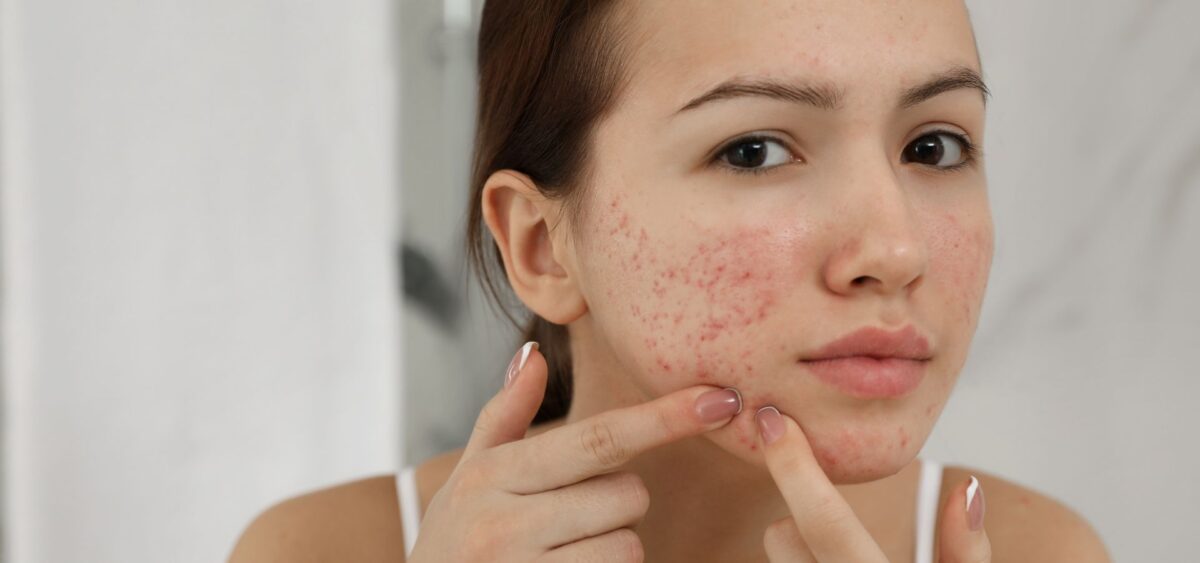
If you thought acne would disappear after your teenage years, you’re not alone.
Many women are surprised when breakouts begin in their late 20s, 30s, or even 40s. You may be wondering, “Why am I getting acne now?” especially if you had clear skin as a teenager. It can feel confusing and frustrating when pimples suddenly appear at a stage of life where you expected smoother, more stable skin.
So, what causes adult acne in women? Unlike teenage acne, adult breakouts are usually driven by hormonal fluctuations, stress, inflammation, lifestyle habits, and sometimes even subtle skincare mistakes. They often show up around the jawline and chin, tend to be deeper and more painful, and can take longer to heal.
Understanding the root cause behind adult acne is essential. Once you recognize that these breakouts are often connected to internal changes, not just surface level oil, you can choose treatments that are gentler, smarter, and more effective for long term skin health.
Hormonal Imbalance and Adult Acne in Women
One of the biggest reasons women experience breakouts in their 20s, 30s, or even 40s is hormonal imbalance. If your acne feels deeper, more painful, and harder to control than a random surface pimple, hormones may be playing a role.
Unlike teenage acne, which is mostly triggered by puberty and very oily skin, adult acne is often connected to ongoing hormonal changes. The frustrating part is that these changes can be subtle. You do not need to have a major medical condition for your hormones to affect your skin. Even normal monthly shifts can trigger breakouts.
How Hormonal Imbalance Triggers Acne
When certain hormones fluctuate, especially androgens such as testosterone, they signal your oil glands to produce more sebum.
More oil, clogged pores, and inflammation together lead to acne.
The extra oil mixes with dead skin cells and becomes trapped inside the pore. Bacteria grow in that blocked pore, the area becomes inflamed, and what started as a small clog can turn into a swollen and painful pimple.
This is why hormone related acne often shows up as:
- Deep, tender cysts under the skin
- Breakouts along the chin and jawline
- Pimples that appear right before your period
These blemishes usually take longer to heal and can sometimes leave dark spots behind.
Why Breakouts Happen Before Your Period
If you notice acne appearing about a week before your period, that is very common. During this time, estrogen levels drop and progesterone shifts. These hormonal changes can increase oil production and make your pores more likely to clog.
That is why the same breakout pattern may repeat month after month. It is not random. It follows your cycle.
Signs Your Acne May Be Hormone Related
You may be dealing with hormonal acne if you notice:
- Acne mostly on the chin and jawline
- Breakouts that happen around the same time each month
- Deep and painful pimples
- Skin that does not fully improve with regular skincare products
If this sounds familiar, it is important to understand that this is not about poor hygiene or not washing your face enough. When hormones are involved, the issue begins internally. Managing it requires patience and a balanced approach rather than harsh treatments.
Why Am I Getting Acne in My 30s?
This is one of the most searched questions online:
Why am I getting acne in my 30s?
If you are dealing with breakouts at this stage of life, you are not imagining it. Acne in women over 25 has become increasingly common, even among those who had clear skin in their teenage years.
Why Do Women Get Acne After 25?
There is rarely just one single reason. In most cases, it is a combination of factors working together.
Some of the most common triggers include:
- Hormonal fluctuations
- High stress levels
- Busy work schedules
- Lack of sleep
- Processed and high sugar foods
- Overusing strong skincare ingredients
As we get older, our skin naturally changes. Collagen production slows down, which affects how skin heals. Cell turnover is not as quick as it once was. At the same time, adult life often brings more responsibilities, pressure, and long days, all of which can increase stress levels.
Stress raises cortisol, and higher cortisol levels can stimulate oil production and inflammation. When oil, clogged pores, and inflammation come together, breakouts follow.
Inflammation also tends to show up more visibly in adult skin. That is why pimples in your 30s may look redder, feel more painful, and take longer to fade compared to teenage acne.
So when someone asks, “Why do women get acne after 25?” the answer is usually not simple. It is often a mix of hormones, stress, inflammation, and lifestyle habits all overlapping at the same time.
Most importantly, adult acne is not a sign that you are doing something wrong. It is often a reflection of internal changes happening in your body. Understanding that can help you approach your skin with more patience and less self blame.
PCOS and Acne in Women
The connection between PCOS and acne in women is very strong. For many women, persistent and stubborn breakouts are one of the first visible signs that something hormonal may be going on internally.
PCOS, or Polycystic Ovary Syndrome, is a hormonal condition that affects many women during their reproductive years. It can impact menstrual cycles, metabolism, and hormone levels, especially androgens.
How PCOS Causes Acne
With PCOS, androgen levels are often higher than normal. These hormones stimulate the oil glands in your skin, causing them to produce excess sebum. When too much oil mixes with dead skin cells, pores become clogged and inflammation develops.
Many women with PCOS also experience insulin resistance. When insulin levels are elevated, it can further increase androgen production, which adds to the cycle of oiliness and breakouts.
As a result, acne related to PCOS is often more severe, more inflamed, and harder to treat with basic skincare alone.
Signs Your Acne May Be Related to PCOS
Your breakouts may be linked to PCOS if you notice:
- Persistent acne along the chin and jawline
- Irregular or missed periods
- Excess facial or body hair
- Unexplained weight gain
- Thinning hair on the scalp
When acne appears alongside these symptoms, it is important to speak with a healthcare provider. Blood tests and a proper evaluation can help determine whether hormones are contributing to your skin concerns.
In cases like this, topical creams alone are usually not enough. While skincare can help manage inflammation and clogged pores, the underlying hormonal imbalance also needs to be addressed for long term improvement.
Stress and Cortisol Breakouts
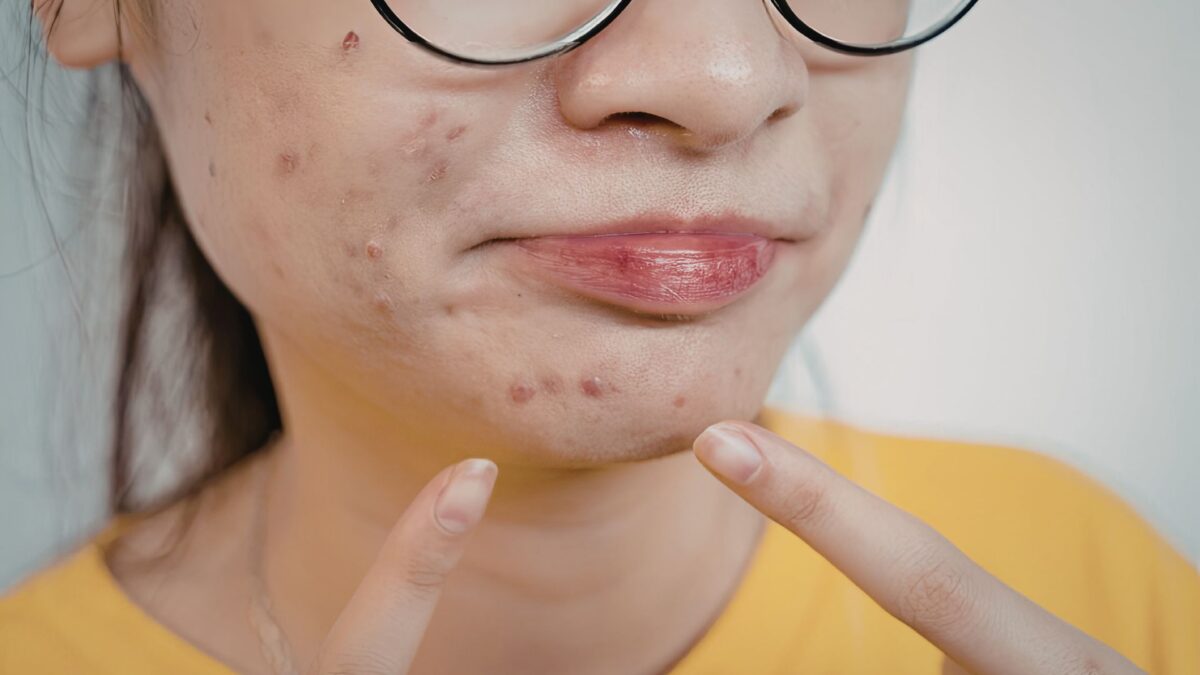
Modern life comes with constant pressure. Work deadlines, family responsibilities, financial worries, lack of sleep, it all adds up. And your skin often reflects what your body is going through.
Stress related acne in women is very real, and it is backed by science.
Cortisol and Acne Breakouts
When you are stressed, your body releases cortisol, which is known as the stress hormone. Cortisol plays an important role in helping your body respond to pressure, but when levels stay high for long periods, it can affect your skin.
Cortisol can increase oil production, trigger inflammation, slow down skin healing, and weaken your skin barrier. When oil and inflammation rise at the same time, breakouts are more likely to appear.
This is why stress breakouts often feel sudden. Your skin may look redder than usual, pimples may feel more inflamed, and they may take longer to calm down.
Signs of Stress Related Acne
You might be dealing with stress driven breakouts if you notice:
- Acne flaring up during deadlines or emotional situations
- Pimples that heal more slowly than usual
- Skin that looks more inflamed or irritated
Chronic stress keeps your body in a constant state of inflammation, and acne thrives in that environment.
Managing stress is not just about mental health. Getting enough sleep, moving your body regularly, eating balanced meals, and taking time to relax can directly support your skin. When your stress levels improve, your skin often follows.
Diet Causes of Adult Acne
Food does not directly cause acne for everyone. However, what you eat can influence your hormones, blood sugar levels, and inflammation, all of which can affect your skin.
For some women, diet plays a noticeable role in how often they break out and how severe those breakouts become.
Dairy and Acne in Women
There is growing evidence suggesting a connection between dairy and breakouts in some women, especially with:
- Skim milk
- Flavored milk
- Whey protein supplements
Dairy products may increase levels of a hormone called insulin like growth factor, which can stimulate oil glands. When oil production increases, pores are more likely to clog, leading to breakouts.
This does not mean everyone needs to eliminate dairy. But if you notice your skin worsens after consuming certain dairy products, it may be worth paying attention to that pattern.
Sugar and Hormonal Acne
High sugar intake can spike insulin levels. When insulin rises quickly and frequently, it may increase androgen activity in the body. Higher androgen levels can lead to more oil production.
That is why many experts see a connection between sugar and hormonal breakouts.
Frequent blood sugar spikes may:
- Increase oil production
- Trigger inflammation
- Make existing acne more severe
Highly processed sweets, sugary drinks, and refined carbohydrates can all contribute to these spikes.
Inflammatory Foods
Certain foods may increase inflammation in the body, especially when eaten regularly in large amounts. These include:
- Fried foods
- Refined carbohydrates
- Processed snack foods
- Frequent fast food meals
Inflammation plays a major role in acne. When the body is in a constant inflammatory state, pimples can appear redder, more swollen, and slower to heal.
Focusing on whole foods such as vegetables, fruits, lean protein, healthy fats, and fiber rich carbohydrates can support balanced blood sugar and reduce overall inflammation. Over time, these changes may help improve skin clarity and make breakouts easier to manage.
Makeup and Skincare Mistakes Causing Breakouts
Sometimes, the cause of breakouts is not internal at all. It can be related to the products you are using every day.
Many women focus on hormones, stress, or diet, but overlook the possibility that certain makeup or skincare habits may be contributing to clogged pores and irritation.
Makeup That Can Trigger Breakouts
Some makeup products are heavier than others and can sit on the skin in a way that blocks pores, especially if they are layered or not removed properly at night.
Products that are more likely to cause issues include:
- Oil heavy foundations
- Thick, silicone based primers
- Full coverage formulas that feel heavy on the skin
- Products that do not mention being non comedogenic
Sleeping in makeup, even occasionally, can also increase the chances of clogged pores. When oil, sweat, and product buildup stay on the skin overnight, it creates an environment where breakouts can develop more easily.
Proper cleansing at the end of the day is just as important as the makeup you choose.
Skincare Mistakes That Worsen Acne
Sometimes the effort to clear acne can actually make it worse. Common mistakes include:
- Over exfoliating with scrubs or acids
- Using too many active ingredients at the same time
- Switching products too frequently
- Skipping sunscreen
- Using harsh or stripping cleansers
Adult skin is often more sensitive than teenage skin. When you overdo treatments, you can damage the skin barrier. A weakened barrier leads to more irritation, increased inflammation, and in many cases, more breakouts.
Instead of constantly adding stronger products, it is usually better to simplify your routine. Gentle cleansing, balanced treatments, proper moisturizing, and daily sunscreen can support your skin far more effectively than aggressive routines.
With adult acne, consistency and simplicity truly make a difference.
Adult Acne vs Teenage Acne – What’s Different?
The difference between adult acne and teenage acne is more significant than many people realize. While both involve clogged pores and breakouts, the causes, patterns, and skin behavior are often very different.
Teenage Acne
Teenage acne is typically:
- Mostly concentrated in the T zone, such as the forehead, nose, and chin
- Filled with blackheads and whiteheads
- Accompanied by very oily skin overall
- Driven mainly by puberty related hormonal changes
During the teenage years, the body produces a surge of hormones that increase oil production. The skin tends to be consistently oily, and breakouts are often more surface level.
Adult Acne
Adult acne, on the other hand, usually looks and feels different. It is often:
- Focused around the jawline and chin
- Deeper and more cystic
- Paired with combination skin or even dryness
- Slower to heal
- More likely to leave dark spots after healing
Many adults are surprised to experience both dryness and acne at the same time. Unlike teenage skin, adult skin may not be extremely oily, but it can still break out due to inflammation and hormonal shifts.
Teenage acne is usually driven by excess oil. Adult acne is more commonly linked to inflammation and ongoing hormonal fluctuations.
That is why using very harsh products designed for teenagers can sometimes make adult acne worse. Stripping the skin too aggressively can damage the skin barrier, increase irritation, and actually trigger more breakouts instead of calming them.
How to Treat Adult Acne Effectively
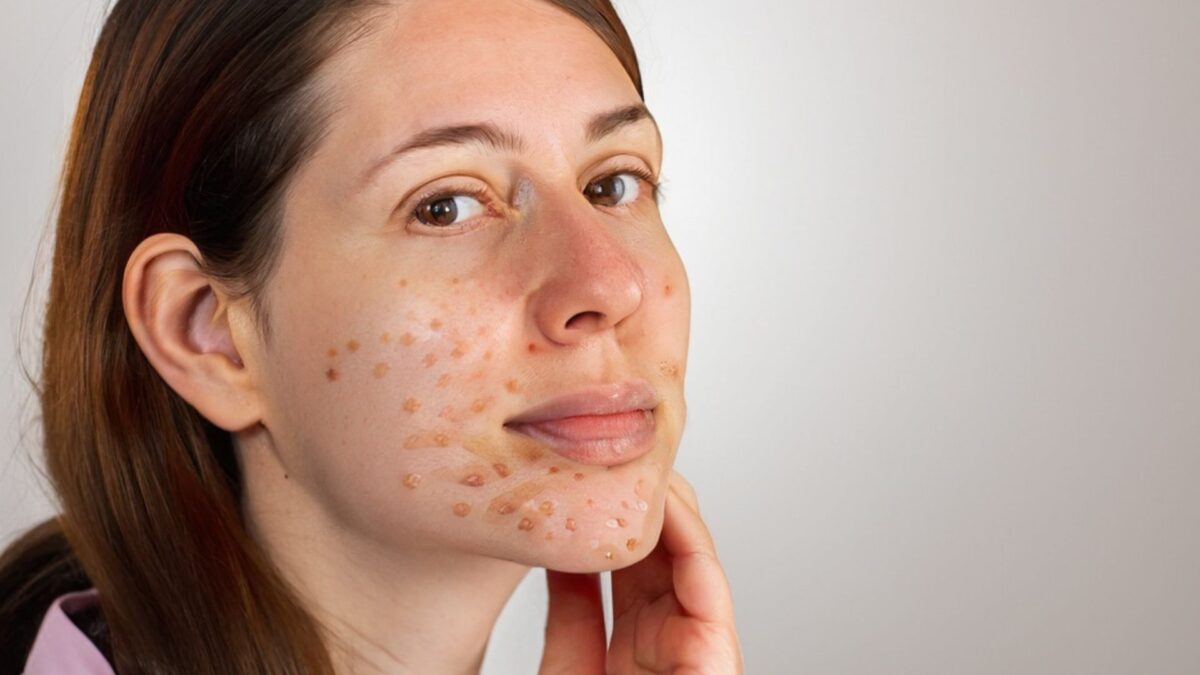
Treating adult acne is not just about applying a cream and expecting quick results. Because adult breakouts are often connected to hormones, stress, and internal inflammation, real improvement usually requires supporting your body from within.
1. Support Internal Balance
- Get hormone levels checked if acne is persistent: If your acne keeps returning despite consistent skincare, especially if it is deep, painful, or focused around the jawline and chin, it may be helpful to have your hormone levels evaluated. Even small hormonal imbalances can increase oil production and inflammation, so a medical check can provide clarity and help guide the right treatment approach.
- Screen for PCOS if symptoms exist: If breakouts are combined with irregular periods, thinning hair, excess facial hair, or unexplained weight gain, speaking with a healthcare provider about possible PCOS is important. In these cases, treating the skin alone will not fully solve the issue because the root cause is hormonal and needs to be addressed internally.
- Reduce high sugar intake: Frequent consumption of sugary foods and refined carbohydrates can cause repeated insulin spikes, which may increase androgen activity and oil production. Over time, this can worsen inflammation and trigger more breakouts, so focusing on balanced meals with protein, fiber, and healthy fats can help stabilize blood sugar and support clearer skin.
- Manage stress consistently: Chronic stress raises cortisol levels, and elevated cortisol can stimulate oil glands and increase inflammation in the skin. Building simple daily habits such as regular exercise, journaling, prayer, meditation, or even short walks can help lower stress levels and positively impact your skin.
- Sleep 7 to 8 hours nightly: Quality sleep allows your body and skin to repair and regenerate. Ongoing sleep deprivation can disrupt hormones, slow healing, and make inflammation worse, so prioritizing consistent rest is one of the most effective ways to support long term skin health.
- Exercise regularly: Regular physical activity helps regulate hormones, improve circulation, and reduce stress levels. Better circulation means more oxygen and nutrients reach your skin, which supports healing and overall clarity, even if the exercise is moderate and done a few times per week.
Internal health strongly influences skin clarity. When your body feels balanced and supported, your skin is much more likely to respond positively.
2.Build a Gentle, Consistent Skincare Routine
When it comes to adult acne, more products do not mean better results. In fact, overloading your skin with strong treatments can damage your barrier and make breakouts worse. A simple, gentle, and consistent routine is usually far more effective than constantly switching products.
Morning Routine
- Gentle cleanser: Start your day with a mild, non stripping cleanser that removes excess oil and sweat without leaving your skin tight or dry. Adult skin is often more sensitive, so harsh cleansers can trigger irritation and increase oil production.
- Niacinamide serum: Niacinamide helps regulate oil production, reduce redness, and strengthen the skin barrier. It is generally well tolerated and works well for both acne prone and sensitive skin.
- Lightweight moisturizer: Even acne prone skin needs moisture. Skipping moisturizer can cause your skin to produce even more oil. Choose a lightweight, non clogging formula that keeps your skin balanced and comfortable throughout the day.
- Broad spectrum sunscreen: Daily sunscreen is essential, especially if you are using active ingredients. Sun exposure can worsen dark spots left behind by acne and increase inflammation. A lightweight, non greasy sunscreen is ideal for everyday use.
Night Routine
- Double cleanse if wearing makeup: If you wear makeup or sunscreen, start with a gentle cleansing balm or oil to break down product buildup, then follow with a mild cleanser to properly clean your skin. This helps prevent clogged pores without aggressive scrubbing.
- Salicylic acid two to three times weekly: Salicylic acid penetrates into pores and helps clear out excess oil and dead skin cells. Using it a few times a week is often enough for adult skin. Daily use may be too drying for some people.
- Retinol under professional guidance: Retinol can help increase cell turnover, reduce clogged pores, and improve post acne marks. However, it should be introduced slowly and ideally with professional guidance, especially if your skin is sensitive.
- Barrier repair moisturizer: Finish your routine with a nourishing moisturizer that supports your skin barrier. Ingredients that focus on hydration and repair help reduce irritation and keep your skin resilient while using active treatments.
With adult acne, consistency matters more than intensity. A steady, well balanced routine gives your skin time to adjust and heal without unnecessary irritation.
3. Know When to See a Dermatologist
While many cases of adult acne can be managed with lifestyle changes and a consistent skincare routine, there are times when professional help is necessary. If your acne is painful, deep, and cystic, it is more than just a surface level issue and often requires medical treatment. If you are starting to notice scarring or dark marks that are not fading, that is also a sign to seek expert advice before the damage becomes harder to treat. Breakouts that continue for more than six months despite trying over the counter products should not be ignored. And if you suspect symptoms related to hormonal conditions such as irregular periods or signs of PCOS, it is important to speak with a healthcare provider for proper evaluation.
A dermatologist may recommend treatments such as prescription strength retinoids to improve cell turnover and prevent clogged pores. In some cases, oral antibiotics are used short term to reduce inflammation and bacteria. Hormonal therapy or medications like spironolactone may be suggested if acne is clearly hormone related. For severe and stubborn cases, isotretinoin may be considered under strict medical supervision.
The most important thing is not to self medicate with strong treatments without guidance. Using the wrong products or medications can worsen irritation, delay healing, and increase the risk of scarring. Getting the right diagnosis early can save both your skin and your confidence in the long run.
FAQ:
Why do women suddenly get acne in adulthood?
Sudden adult acne in women is often caused by hormonal imbalance, stress, changes in birth control, or increased oil production. Many women experience breakouts in their late 20s or 30s due to fluctuating estrogen and progesterone levels.
Why am I getting acne in my 30s?
Acne in your 30s is usually linked to hormonal acne, stress-related cortisol spikes, poor diet, or using the wrong skincare products. Adult acne in women often appears on the chin and jawline area.
Can hormonal imbalance cause acne in women?
Yes. Hormonal imbalance is one of the most common causes of adult acne in women. Increased androgen levels can trigger excess sebum production, leading to clogged pores and breakouts.
Final Thoughts
Adult acne in women can feel frustrating, confusing, and even discouraging. Many women find themselves asking what changed and why their skin is suddenly reacting differently than it did in their teens or early twenties.
If you have been wondering What Causes Adult Acne in Women, the answer is usually not just one single thing. It is often a combination of hormonal shifts, stress, diet, inflammation, and even small skincare habits that add up over time.
Here is what truly matters:
- You are not alone.
- Acne after 25 is very common.
- Hormones play a major role.
- Stress and diet can influence your skin more than you think.
- Even simple skincare mistakes can trigger flare ups.
The good news is that adult acne can be managed with the right approach. Clear skin does not happen overnight, especially when hormones are involved. But with consistency, internal balance, and a routine that supports your skin instead of fighting it, real improvement is absolutely possible.
Be patient with your skin. Healing takes time, but progress is achievable.