
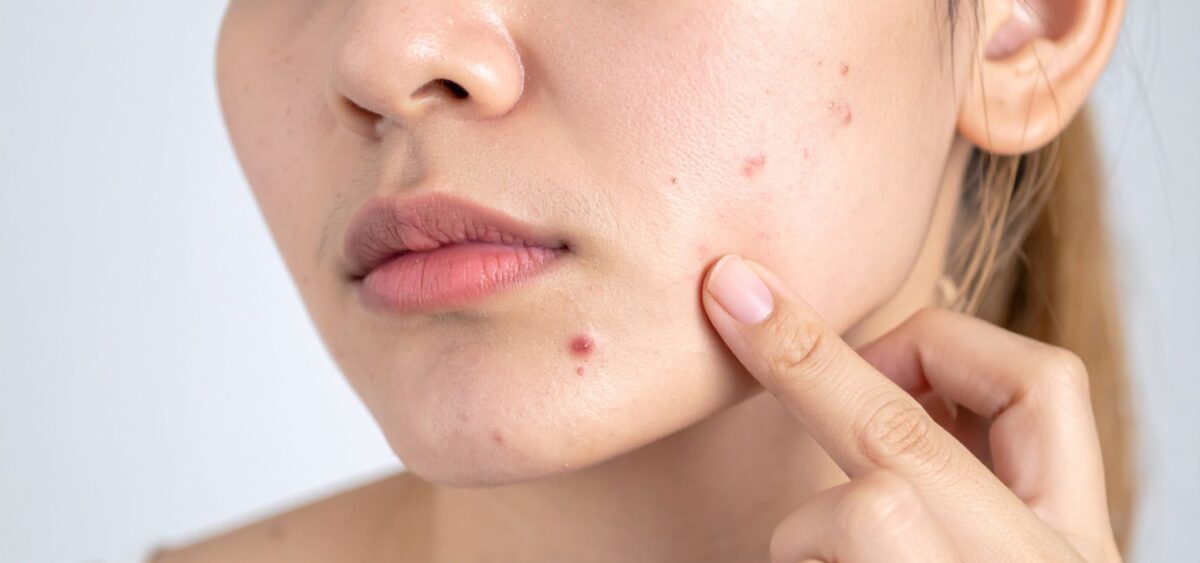
If you’ve been struggling to figure out how to build a skincare routine for oily acne prone skin, you’re not alone. Adult breakouts are frustrating, especially when you’re dealing with excess oil, clogged pores, and hormonal changes at the same time.
A proper skincare routine for oily acne-prone skin isn’t about drying your face out. It’s about balance. Many women unknowingly damage their skin barrier by over-cleansing or layering too many active ingredients. The result? More excess sebum, more irritation, and more breakouts.
This guide will walk you through a step by step acne skincare routine that works for adult women in their 20s, 30s, and beyond. Whether you’re looking for a beginner skincare routine for acne-prone skin, a minimal skincare routine for acne, or a more advanced hormonal acne skincare routine, this article covers it all.
Step 1 – Choose a Gentle Cleanser for Oily Acne-Prone Skin
Cleansing is the foundation of any daily skincare routine, especially if you have oily or acne-prone skin. The right cleanser removes dirt, makeup, sunscreen, and excess oil without stripping your skin or causing irritation.
Look for:
- A salicylic acid cleanser to help unclog pores and remove excess oil, which is helpful for blackheads and whiteheads
- A gentle foaming cleanser that cleans effectively without leaving your skin tight or dry
- Non-stripping, sulfate-free formulas that protect your skin barrier
Tips to keep in mind:
- Cleanse twice daily, once in the morning and once at night. Over cleansing can actually make your skin produce more oil.
- Many drugstore cleansers contain salicylic acid and are safe for daily use, making it easy to build an affordable routine
- Salicylic acid penetrates deep into pores, so it works well if your skin tends to get clogged or break out frequently
- A good cleanser sets the stage for the rest of your skincare routine, helping control oil and keeping your pores clear.
Step 2 – Use a Treatment Serum (Niacinamide or BHA)
Treatment serums are what truly transform a basic skincare routine into a results driven one. Cleansing and moisturizing are important, but if you want visible improvement in oily, acne prone skin, this is the step that makes the biggest difference. A well chosen treatment serum directly targets excess oil, clogged pores, redness, and breakouts, especially common in adult acne.
For women building a consistent skincare routine for oily acne-prone skin, adding the right active ingredient helps move from simple maintenance to real correction.
Niacinamide Serum for Oil Control
A niacinamide serum is one of the most effective and beginner-friendly options for oil control. If you struggle with mid-day shine, visible pores, redness, or recurring hormonal breakouts, niacinamide fits perfectly into an oil control skincare routine for women dealing with adult acne.
Niacinamide works by helping regulate oil production without stripping the skin. That balance is important. When skin is overly dried out, it often produces even more oil, which can worsen acne. By supporting the skin barrier and calming inflammation, niacinamide helps reduce redness while keeping pores clearer over time.
For women over 25 searching for the best skincare routine for oily acne skin over 25, niacinamide is especially helpful because adult acne often comes with sensitivity. Unlike harsher treatments, niacinamide can be used daily and still support your hormonal acne skincare routine without causing irritation.
With consistent use, you may notice:
- Less excess oil throughout the day
- Reduced appearance of enlarged pores
- Calmer, more even-looking skin
- Fewer inflamed breakouts
It’s a strong daily foundation for anyone building a dermatologist recommended acne routine at home.
BHA for Clogged Pores
If persistent breakouts, blackheads, or clogged pores are your main concern, adding BHA (salicylic acid) a few times a week can significantly improve your results. BHA is oil soluble, which means it penetrates deep inside the pores, right where acne begins.
In a hormonal acne skincare routine, BHA helps clear buildup inside pores that leads to whiteheads and inflammatory breakouts. For women dealing with adult acne, especially around the chin and jawline, this targeted exfoliation supports smoother texture and fewer recurring breakouts.
However, balance is key. Using BHA two to three times weekly is usually enough to support an oily acne skincare routine without over-exfoliating. Overuse can disrupt your skin barrier, which may trigger more sensitivity.
For women over 25 looking for the best skincare routine for oily acne skin over 25, combining niacinamide daily with BHA a few times per week creates a structured, effective approach. Niacinamide helps control oil and calm redness, while BHA keeps pores clear and reduces congestion.
At night, retinol can also be added if tolerated. When introduced carefully, this combination brings your routine closer to a dermatologist recommended acne routine, especially for managing adult acne long term.
Consistency matters more than intensity. A balanced treatment serum strategy, niacinamide serum for oil control and BHA for clogged pores, supports clearer, healthier looking skin over time.
Step 3 – Apply an Oil-Free Moisturizer
One of the biggest skincare mistakes causing acne is skipping moisturizer. Many women with oily acne-prone skin believe that avoiding moisturizer will reduce shine and breakouts. In reality, the opposite happens.
Even oily skin needs hydration. When you leave your skin without proper moisture, it becomes dehydrated. And when skin is dehydrated, it produces even more excess oil to compensate. That extra oil can mix with dead skin cells, clog pores, and trigger more breakouts, especially if you’re already dealing with adult acne.
This is why a moisturizer is not optional in a skincare routine for oily acne-prone skin. It plays a balancing role.
When choosing the right product, look for:
- A lightweight, oil-free moisturizer that won’t feel heavy or greasy
- A gel-based texture that absorbs quickly into the skin
- Products labeled non-comedogenic skincare routine, meaning they are formulated not to clog pores
A lightweight, oil-free moisturizer keeps your skin comfortable without adding unnecessary shine. Gel-based formulas are especially helpful because they deliver hydration while feeling breathable. If you’re building a minimal skincare routine for acne, keeping your moisturizer simple and non-pore-clogging is key.
Hydration helps regulate oil naturally. When your skin barrier feels supported and balanced, it doesn’t go into overdrive producing excess sebum. Over time, this can lead to fewer clogged pores and more stable skin.
If you’re following a minimal skincare routine for acne, remember this essential trio: cleanser + treatment + moisturizer. Even the most basic routine needs proper hydration to work effectively and support long-term oil control.
Step 4 – Don’t Skip Sunscreen
Sunscreen is non negotiable, especially if you’re using active ingredients like BHA or retinol in your skincare routine for oily acne prone skin. These ingredients make your skin more sensitive to the sun, which increases the risk of dark spots, irritation, and post acne marks.
If you’re managing adult acne, protecting your skin from UV damage is just as important as treating breakouts. Sun exposure can worsen inflammation and make acne scars appear darker and last longer. That’s why sunscreen is a critical step in a dermatologist recommended acne routine.
When choosing a sunscreen, look for:
- Lightweight sunscreen that doesn’t feel heavy on the skin
- Oil-free formulas designed for acne-prone skin
- Gel or fluid textures that absorb quickly without leaving a greasy finish
Many women believe sunscreen causes breakouts, but the issue is usually the formula — not sunscreen itself. Thick, pore-clogging creams can feel uncomfortable on oily skin, but modern lightweight sunscreen options are specifically created for an oily acne skincare routine.
A gel or fluid sunscreen sits comfortably under makeup, doesn’t increase shine, and supports a balanced, clear complexion. Choosing oil-free formulas helps maintain a non-comedogenic skincare routine, reducing the chances of clogged pores.
If you’re following a structured hormonal acne skincare routine or building the best skincare routine for oily acne skin over 25, sunscreen is what protects all the progress you’re making. It prevents new dark marks, reduces irritation from actives, and keeps your skin barrier healthy.
A good sunscreen doesn’t just protect — it completes your dermatologist recommended acne routine and supports long-term clear, even-toned skin.
Morning Skincare Routine for Oily Acne-Prone Skin
A simple morning skincare routine for oily skin should focus on two main goals: protection and oil control. In the morning, your priority is to manage shine, keep pores clear, and protect your skin from sun damage, especially if you’re treating adult acne.
Here’s an effective structure:
- Start with a gentle foaming cleanser to remove overnight oil buildup without stripping your skin. This helps refresh your face and prepare it for treatment products while supporting a balanced daily skincare routine for acne-prone skin.
- Next, apply a niacinamide serum to help regulate oil production and calm redness. This step supports a more stable skincare routine for oily acne-prone skin, especially if you experience mid-day shine or hormonal breakouts.
- Follow with an oil-free moisturizer to keep your skin hydrated without feeling greasy. Even oily skin needs moisture, and skipping this step can increase excess oil production.
- Finish with a lightweight sunscreen to protect against UV damage and prevent post-acne dark spots. Sunscreen is essential in any daily skincare routine for acne-prone skin, particularly if you’re using active ingredients at night.
This structure works as a simple skincare routine for oily skin and is ideal for busy mornings. It’s quick, practical, and focused on what your skin truly needs.
If you’re building a daily skincare routine for acne-prone skin, remember that consistency matters more than complexity. Using the right products regularly will deliver better results than constantly switching or overloading your skin with too many steps.
Night Routine for Acne-Prone Skin
Your night routine for acne prone skin should focus on repair and treatment. Nighttime is when your skin naturally renews itself, making it the ideal time to use targeted ingredients that support clearer, smoother skin, especially if you’re managing adult acne.
Here’s a simple and effective structure:
- Salicylic acid cleanser (or gentle cleanser) – Start with cleansing. If your skin feels oily or congested, a salicylic acid cleanser helps remove excess oil and clear pores by gently exfoliating inside them, supporting an effective skincare routine for oily acne-prone skin. If your skin feels sensitive or dry, switch to a gentle cleanser that cleans without irritating or damaging your skin barrier.
- Treatment (BHA or retinol) – This is the core step in your night routine for acne-prone skin. BHA helps unclog pores and reduce breakouts, making it ideal for blackheads and hormonal acne. Retinol supports skin cell turnover, improves texture, and gradually fades post-acne marks. Choose only one treatment per night to avoid irritation and keep your hormonal acne skincare routine balanced and effective.
- Oil-free moisturizer – After treatment, apply an oil-free moisturizer to maintain hydration and protect your skin barrier. Even when treating acne, moisturizing is essential in a balanced daily skincare routine for acne-prone skin. Hydrated skin heals better, becomes less reactive, and supports faster recovery.
- Acne spot treatment (if needed) – If you have an active breakout, apply a targeted acne spot treatment directly to the blemish. This step is optional but helpful for inflamed pimples that need extra attention without layering strong actives across your entire face.
Many people ask, how many steps in acne routine are necessary?
The answer is simple: 3–4 well-chosen steps are enough. A cleanser, one treatment, moisturizer, and optional spot treatment create a complete and practical dermatologist recommended acne routine.
More products don’t equal better results. A focused, consistent routine supports clearer skin far more effectively than layering too many actives at once.
Skincare Layering Order for Acne-Prone Skin

Following the correct skincare layering order for acne is essential to prevent irritation and protect your skin barrier. Even the best products won’t work properly if they’re applied in the wrong order. Incorrect layering can lead to reduced effectiveness, clogged pores, and even more breakouts, especially in a skincare routine for oily acne prone skin.
A simple structure to follow is:
Cleanser
Always start with a cleanser to remove oil, dirt, and buildup. Clean skin allows the rest of your products to absorb properly and supports a balanced daily skincare routine for acne-prone skin.
Toner (optional)
A toner can be used if it suits your skin type, but it’s not mandatory. If included, it should be lightweight and alcohol-free to avoid irritation, especially in a hormonal acne skincare routine.
Treatment serum
This is where your active ingredients go, such as niacinamide, BHA, or retinol. Applying treatment products before moisturizer ensures better absorption and stronger results in your night routine for acne-prone skin or morning routine.
Moisturizer
Moisturizer helps seal in hydration and support your skin barrier. Even in an oily acne skincare routine, this step is necessary to prevent dehydration and excess oil production.
Sunscreen (morning only)
In the morning, sunscreen is the final step. It protects your skin from UV damage and prevents post-acne dark spots, completing your dermatologist recommended acne routine.
The general rule is to layer from thinnest to thickest consistency. Lightweight, watery products go first, and heavier creams go last. This allows each layer to absorb properly without blocking the next product.
Improper layering can weaken your barrier, reduce treatment effectiveness, and worsen breakouts. A structured and consistent skincare layering order for acne keeps your routine simple, effective, and skin-friendly.
Seasonal Routine Adjustments (Summer vs Winter)
Your skin doesn’t behave the same way all year. Weather changes directly affect oil production, hydration levels, and breakouts. Adjusting your skincare routine for oily acne-prone skin based on the season helps maintain balance and prevents unnecessary irritation.
Acne Prone Skin Routine in Summer
Hot weather increases sweat and oil production. When temperatures rise, your skin naturally produces more sebum, which can mix with sweat and clog pores. That’s why your acne prone skin routine in summer should feel lighter and more breathable.
In summer:
Use gel-based moisturizer
Gel-based formulas hydrate without adding heaviness. They absorb quickly and help maintain oil control, which is essential in a skincare routine for oily acne-prone skin during humid weather.
Switch to lighter sunscreen
A lighter sunscreen, preferably in gel or fluid texture, prevents that greasy, sticky feeling. Heavy formulas can feel suffocating and may increase congestion in oily skin.
Avoid heavy creams
Rich creams can trap sweat and excess oil, increasing the risk of clogged pores and breakouts. Keeping textures lightweight helps your skin stay balanced and comfortable.
Your acne prone skin routine in summer should prioritize oil control, lightweight layers, and breathable textures. The goal is to reduce shine while still maintaining hydration.
Winter Skincare Routine for Oily Acne Skin
Cold weather can dehydrate skin, even if it’s oily. Low humidity and indoor heating strip moisture from the skin barrier, which can lead to tightness, irritation, and increased oil production as the skin tries to compensate.
Your winter skincare routine for oily acne skin should focus on supporting and protecting the barrier.
Include:
Barrier-supporting moisturizer
In winter, you may need a slightly more nourishing (but still non-comedogenic) moisturizer. This helps prevent dehydration without clogging pores.
Reduced exfoliation
Over-exfoliating in cold weather can weaken your barrier and worsen breakouts. Scaling back BHA or other exfoliants helps maintain skin stability.
Hydrating serum
Adding a hydrating serum supports moisture retention and keeps your skin comfortable without making it oily. Hydration in winter is about strengthening the barrier, not increasing shine.
Balance is key. Whether adjusting your acne prone skin routine in summer or your winter skincare routine for oily acne skin, the goal remains the same: control oil while maintaining proper hydration and barrier health.
Affordable & Drugstore Skincare Routine for Oily Skin
You don’t need luxury brands to build an effective affordable skincare routine for acne prone skin. Clear skin is about choosing the right ingredients and being consistent, not about expensive packaging.
A simple, budget-friendly setup can fully support your skincare routine for oily acne-prone skin, especially if you’re just starting out.
An affordable skincare routine for acne-prone skin may include:
Drugstore salicylic acid cleanser
A drugstore salicylic acid cleanser helps remove excess oil and gently unclog pores. It supports breakouts, blackheads, and congestion without requiring high-end products. This step builds the foundation of a reliable drugstore skincare routine for oily skin.
Niacinamide serum
A niacinamide serum helps regulate oil production and calm redness. It fits perfectly into a daily skincare routine for acne-prone skin, especially if you’re dealing with adult acne or hormonal breakouts.
Oil-free moisturizer
An oil-free moisturizer keeps your skin hydrated without clogging pores. Skipping moisturizer can increase oil production, so this step is essential in both an affordable skincare routine for acne-prone skin and a structured skincare routine for oily acne-prone skin.
Lightweight sunscreen
A lightweight sunscreen protects against UV damage and prevents post-acne dark spots. Even in a drugstore skincare routine for oily skin, sunscreen remains a non-negotiable final step in the morning.
This simple setup works perfectly as a drugstore skincare routine for oily skin and is ideal for beginners who want effective results without overspending.
You don’t need 10 products, just 3 to 4 well chosen, affordable essentials used consistently can support clearer, healthier looking skin over time.
How to Reduce Oily Skin and Acne Naturally

If you’re wondering how to reduce oily skin and acne, the answer isn’t only in products. Daily habits and lifestyle choices play a powerful role, especially if you’re dealing with hormonal or recurring breakouts. A balanced approach supports any skincare routine for hormonal breakouts and helps maintain long-term results.
Here’s what truly makes a difference:
Not over-washing
It may feel logical to wash your face multiple times a day to control oil, but over-cleansing can strip your skin barrier. When your skin feels dry or tight, it produces even more oil to compensate — which can worsen breakouts. Washing twice daily is usually enough in a skincare routine for oily acne-prone skin.
Avoiding harsh alcohol-based products
Products that contain high amounts of alcohol can create temporary mattifying effects, but they often irritate the skin and weaken the barrier. A damaged barrier increases inflammation and can trigger more acne. Gentle, balanced formulas work better for managing oily skin and acne naturally.
Managing stress
Stress directly impacts hormones, and hormonal fluctuations can increase oil production and inflammation. If you’re struggling with breakouts around your cycle or during high-stress periods, managing stress becomes part of learning how to reduce oily skin and acne effectively. Simple habits like consistent sleep and relaxation techniques can make a noticeable difference.
Eating balanced meals
While no single food causes acne for everyone, a balanced diet supports overall skin health. Stable blood sugar levels and proper nutrition help regulate hormones, which is important in any skincare routine for hormonal breakouts.
Lifestyle matters just as much as products. When you combine smart habits with a consistent skincare routine for oily acne-prone skin, you create an environment where your skin can stay clearer, calmer, and more balanced over time.
Common Skincare Mistakes Causing Acne
Many adult women unknowingly sabotage their skin while trying to fix breakouts. When you’re frustrated with adult acne, it’s easy to overdo products or follow random trends. But small mistakes can quietly disrupt your barrier and worsen inflammation.
Here are the biggest common skincare mistakes causing acne:
Over-exfoliating
Using exfoliating acids too frequently can weaken your skin barrier. While ingredients like BHA are helpful in a skincare routine for oily acne-prone skin, overuse can lead to redness, irritation, and increased oil production. When your barrier is compromised, breakouts often become more frequent and harder to control.
Mixing too many active ingredients
Layering multiple strong actives — such as BHA, retinol, and other treatments — in the same routine can overwhelm your skin. More products do not mean better results. In fact, overloading your skin is one of the most overlooked common skincare mistakes causing acne. A balanced, targeted approach works better than aggressive layering.
Skipping moisturizer
Many women with oily skin avoid moisturizer out of fear that it will clog pores. However, skipping this step can increase dehydration, leading your skin to produce even more oil. Proper hydration is essential in a step by step acne skincare routine because it helps maintain barrier strength and reduces irritation.
Using comedogenic products
Heavy creams, thick foundations, or products not labeled non-comedogenic can clog pores and trigger breakouts. Choosing lightweight, oil-free options is especially important in a skincare routine for oily acne-prone skin.
Following a structured step by step acne skincare routine prevents these errors. When your routine is clear, balanced, and consistent, you’re less likely to over-treat, under-hydrate, or overwhelm your skin — which ultimately leads to better long-term results.
Frequently Asked Questions
What is the best skincare routine for oily acne-prone skin?
The best routine includes a salicylic acid cleanser, niacinamide serum, oil-free moisturizer, and lightweight sunscreen in the morning. At night, incorporate treatment like BHA or retinol.
Can oily skin skip moisturizer?
No. Skipping moisturizer increases excess sebum production and worsens breakouts.
How do I reduce excess oil and prevent breakouts?
Use niacinamide daily, exfoliate moderately with BHA, and avoid over-cleansing.
Final Thoughts
Learning how to build a skincare routine for oily acne-prone skin doesn’t require 10 products or complicated steps.
The most effective acne routine for adult women is consistent, balanced, and focused on oil control without over-drying.
Whether you prefer a beginner skincare routine for acne prone skin, an affordable skincare routine for acne prone skin, or a more advanced hormonal acne skincare routine, the key is choosing non comedogenic, oil balancing products and sticking with them.
Healthy skin is built with patience, not product overload.