

When it comes to over the counter acne treatments, one debate always comes up: salicylic acid vs benzoyl peroxide, which one actually works better?
If you’ve ever stood in the skincare aisle wondering which is better salicylic acid or benzoyl peroxide, you’re not alone. Both ingredients are dermatologist favorites. Both are proven to treat acne. But they work in completely different ways.
Choosing the right ingredient depends on your skin type, acne type, and sensitivity level. The best acne treatment ingredient for one person might not work for someone else, especially if you’re dealing with acne treatment for oily skin, sensitive skin, or hormonal breakouts.
In this detailed guide, we’ll break down the difference between salicylic acid and benzoyl peroxide, who should use each one, side effects to watch for, and whether you can combine them safely.
What Is Salicylic Acid?
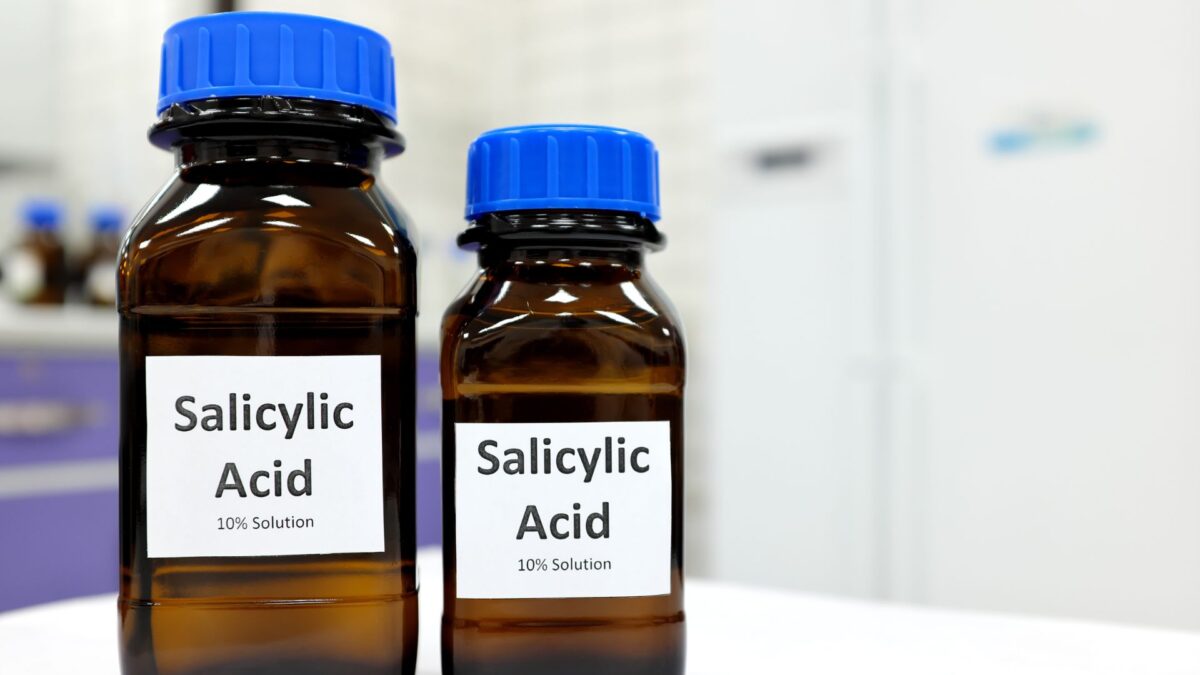
Salicylic acid is a beta hydroxy acid (BHA) commonly used in acne treatments. What makes it unique is that it’s oil soluble, meaning it can penetrate deep into pores filled with excess sebum, unlike water soluble exfoliants that work mainly on the surface.
Because acne often starts inside clogged pores, this ability to move through oil makes salicylic acid for acne particularly effective.
How Salicylic Acid Works
- Dissolves excess oil
- Breaks down clogged pores
- Gently exfoliates inside the pore lining
- Reduces blackheads and whiteheads
Instead of aggressively scrubbing the skin, salicylic acid works chemically by loosening the buildup of dead skin cells and oil trapped inside pores.
Since it directly targets oil buildup, salicylic acid for acne is especially helpful when breakouts are caused by congestion rather than bacterial infection.
Best For
- Salicylic acid for clogged pores
- Salicylic acid for oily skin
- Blackheads and whiteheads
- Mild to moderate acne
If you struggle with shine, frequent pore congestion, or recurring blackheads, salicylic acid may be your ideal acne treatment for oily skin. It helps keep pores clear and reduces the likelihood of new breakouts forming — especially when used consistently.
What Is Benzoyl Peroxide?
Benzoyl peroxide works differently from exfoliating acids. Instead of unclogging pores, it targets the bacteria that contribute to acne formation.
This makes benzoyl peroxide for acne especially effective for red, inflamed breakouts.
How Benzoyl Peroxide Works
- Releases oxygen into pores
- Eliminates acne-causing bacteria
- Reduces inflammation
- Shrinks red, swollen pimples
Acne-causing bacteria cannot survive in oxygen-rich environments. By delivering oxygen directly into the pore, benzoyl peroxide reduces bacterial growth and calms active inflammation.
That’s why benzoyl peroxide for acne is commonly recommended for breakouts that are painful, swollen, and visibly red.
Best For
- Benzoyl peroxide for inflamed acne
- Painful red pimples
- Cystic acne
- Moderate inflammatory acne
If your acne appears red, tender, and swollen, rather than simply clogged, benzoyl peroxide may work faster than exfoliating ingredients.
Start with a lower concentration (2.5%–5%) to minimize irritation and dryness, and increase gradually if needed.
Difference Between Salicylic Acid and Benzoyl Peroxide
Understanding the difference between salicylic acid and benzoyl peroxide helps you choose the right treatment for your specific type of acne.
Here’s a simple comparison:
- Feature Salicylic Acid Benzoyl Peroxide
- Type BHA exfoliant Antibacterial agent
- Main Target Clogged pores Acne bacteria
- Best For Blackheads, whiteheads Inflamed acne
- Skin Type Oily, combination Normal to oily
- Irritation Risk Moderate Higher
In Short:
- Salicylic acid clears pores.
- Benzoyl peroxide kills bacteria and reduces inflammation.
If your acne is mostly congestion-based (blackheads, whiteheads, oily skin), salicylic acid is often more effective.
If your acne is red, swollen, and painful, benzoyl peroxide may deliver faster visible results.
This is why many dermatologists include both in an over the counter acne treatment comparison discussion, they target different causes of acne and can sometimes complement each other when used correctly and gradually.
Salicylic Acid vs Benzoyl Peroxide for Oily Skin
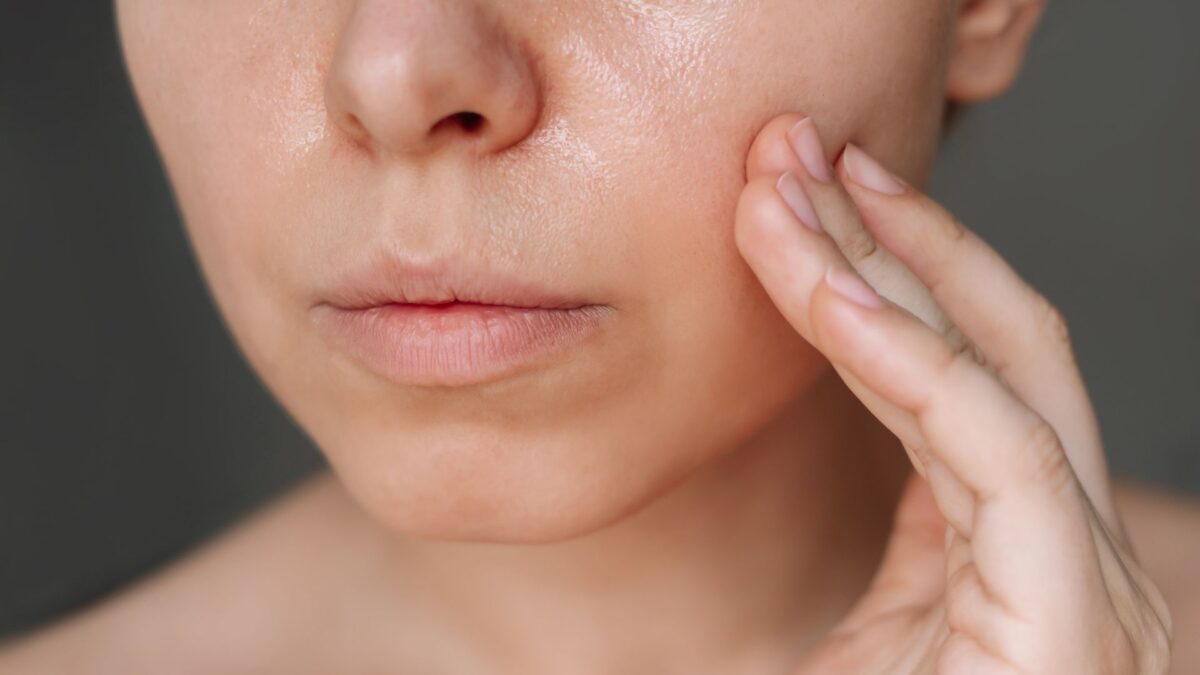
If you’re searching for the best acne treatment for oily skin, salicylic acid often takes the lead. Its oil soluble nature allows it to penetrate deep into pores, dissolve excess sebum, and prevent congestion, which is the root cause of many breakouts in oily skin types.
Salicylic acid for oily skin works especially well for:
- Keeping pores clear
- Preventing blackheads and whiteheads
- Controlling shine without over-drying
However, if your oily skin also experiences painful, inflammatory pimples, benzoyl peroxide can be helpful because it kills acne-causing bacteria and reduces swelling faster than salicylic acid alone.
For oily but sensitive skin, it’s best to start with lower strengths of either ingredient. This minimizes irritation while allowing your skin to adjust to active treatments.
In short:
- Use salicylic acid for oily skin if congestion and blackheads are your main concern.
- Consider benzoyl peroxide if inflammation and tender pimples are more prominent.
Combining them carefully in a routine can address both oil and bacterial triggers without overloading the skin.
Salicylic Acid vs Benzoyl Peroxide for Hormonal Acne
When comparing salicylic acid vs benzoyl peroxide for hormonal acne, the best choice depends on the type and timing of your breakouts.
Hormonal acne, especially acne during periods treatment concerns, often appears along the jawline as deep, cystic pimples. These blemishes can be painful, slow to heal, and tend to recur in the same areas.
How Each Ingredient Helps
Salicylic acid
- Works preventatively by clearing excess oil and unclogging pores
- Helps reduce the likelihood of breakouts forming along the jawline
- Ideal for recurring breakouts that appear before your cycle
Benzoyl peroxide
- Targets inflammation and acne-causing bacteria
- Helps reduce swelling and redness in active cysts
- Best for painful, inflamed lesions that have already appeared
Bottom Line
- For hormonal acne in women, a combined strategy often works best:
- Use salicylic acid as a preventative measure to minimize pre-cycle flare-ups
- Apply benzoyl peroxide on active, painful breakouts to calm inflammation quickly
This approach addresses both prevention and treatment, making it highly effective for managing recurring hormonal acne along the jawline.
Salicylic Acid vs Benzoyl Peroxide for Cystic Acne
If you’re struggling with deep, painful bumps, understanding the difference between salicylic acid vs benzoyl peroxide for cystic acne can help you choose the most effective approach.
Cystic acne is characterized by:
- Deep inflammation
- Bacterial growth
- Significant swelling
How Each Ingredient Helps
Benzoyl peroxide
- Directly targets acne-causing bacteria
- Reduces inflammation and redness
- Works faster on large, painful, inflamed cysts
Salicylic acid
- Helps prevent clogged pores that can lead to cyst formation
- Reduces excess sebum inside the pores
- Supports long-term prevention rather than immediate relief
Bottom Line
For cystic acne, benzoyl peroxide is often more effective for active, inflamed lesions, while salicylic acid plays a supportive role in preventing new cysts by keeping pores clear.
A combined routine, using salicylic acid for prevention and benzoyl peroxide for treatment, can provide comprehensive management for cystic acne.
Salicylic Acid vs Benzoyl Peroxide for Blackheads
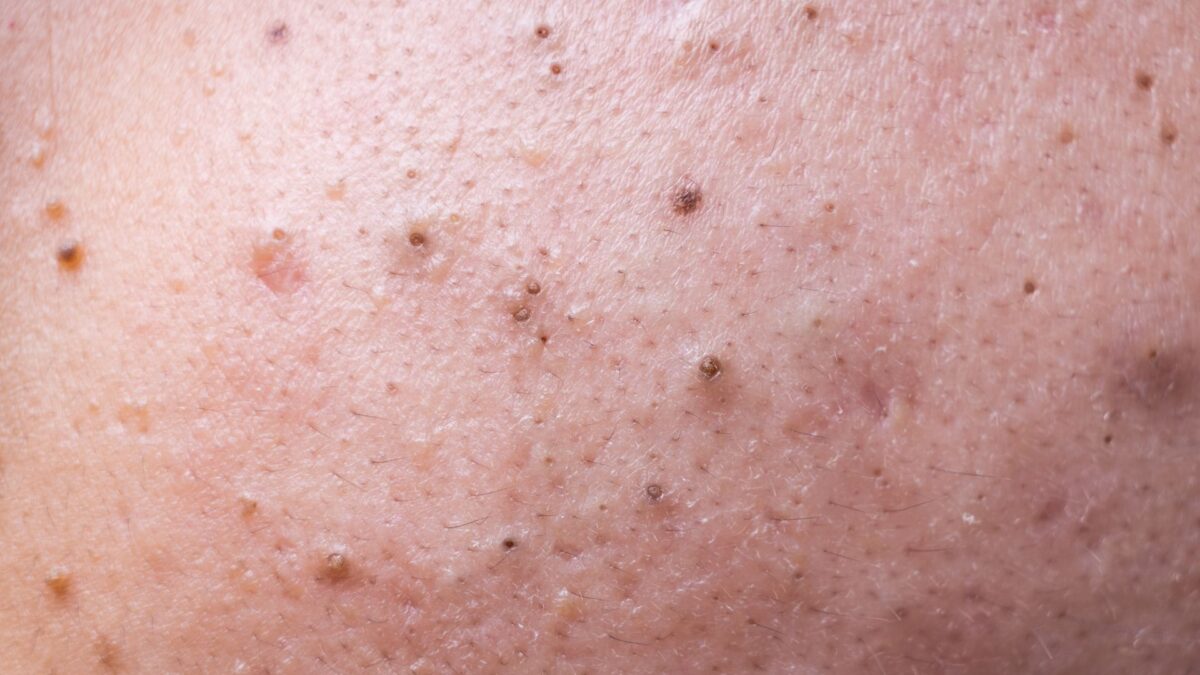
When it comes to blackheads, salicylic acid vs benzoyl peroxide shows a clear difference in effectiveness.
Blackheads develop due to:
- Clogged pores
- Oxidized oil
- Dead skin buildup
How Each Ingredient Works
Salicylic acid
- Exfoliates inside the pore lining
- Dissolves oil and dead skin that contribute to blackheads
- Prevents new comedones from forming
- Ideal for both blackheads and whiteheads
Benzoyl peroxide
- Targets acne-causing bacteria
- Reduces inflammation in pimples
- Does not dissolve pore debris, so it is less effective for blackheads
Bottom Line
For blackheads, salicylic acid is usually superior because it directly addresses the root causes: clogged pores and excess oil. Benzoyl peroxide is better reserved for inflamed or bacterial-driven acne, not for surface-level comedones.
Using salicylic acid for blackheads consistently can help keep pores clear and minimize recurrence, especially in oily or combination skin.
Which Works Faster – Salicylic Acid or Benzoyl Peroxide?
Many people ask: which works faster, salicylic acid or benzoyl peroxide? The answer depends on the type of acne you’re treating.
Quick Comparison
Benzoyl peroxide: Works faster for inflamed, red pimples. You may notice visible improvement in active breakouts within a few days because it kills bacteria and reduces swelling directly.
Salicylic acid: Works gradually to prevent future breakouts by clearing pores and reducing excess oil. Results typically appear in 2–4 weeks with consistent use.
Bottom Line
If your goal is quick relief from painful, inflamed pimples, benzoyl peroxide is often the faster option.
If your goal is long-term prevention of blackheads, whiteheads, and clogged pores, salicylic acid is more effective over time.
Many dermatologists recommend combining both strategically: salicylic acid for daily prevention and benzoyl peroxide for active flare-ups, so you get both immediate relief and long-term control.
Side Effects Comparison
Both salicylic acid and benzoyl peroxide are effective acne-fighting ingredients, but each comes with its own potential side effects. Understanding these can help you use them safely and choose the right option for your skin type.
Benzoyl Peroxide Side Effects
- Dryness
- Peeling
- Redness
- Fabric bleaching (can stain towels, pillowcases, or clothes)
- Skin barrier disruption if overused
Because benzoyl peroxide is stronger, it can weaken the skin barrier if applied too frequently or in high concentrations. This may lead to irritation, sensitivity, or increased dryness.
Salicylic Acid Side Effects
- Mild dryness
- Slight peeling
- Stinging or tingling (rare, especially in low concentrations)
Salicylic acid is generally gentler and better tolerated, making it a preferred choice for acne treatment for sensitive skin or for those prone to irritation.
Bottom Line
Benzoyl peroxide is powerful and fast-acting, but requires careful use to avoid irritation.
Salicylic acid is gentler, ideal for sensitive or oily skin, and works gradually to prevent clogged pores.
Using either ingredient correctly, starting with lower strengths and gradually increasing frequency, can minimize side effects while still delivering effective acne control.
Can You Use Salicylic Acid and Benzoyl Peroxide Together?
A common question is: can you use salicylic acid and benzoyl peroxide together? The short answer is yes, but not at the same time.
Using both ingredients simultaneously can increase irritation, dryness, and redness, especially for sensitive or acne-prone skin.
Safer Approaches
- Morning: Apply benzoyl peroxide as a spot treatment for active pimples.
- Night: Use a salicylic acid cleanser or toner to prevent clogged pores and blackheads.
- Or alternate days: One day benzoyl peroxide, the next day salicylic acid, depending on tolerance.
Always monitor your skin. If you notice excessive peeling, stinging, or redness, reduce frequency immediately to protect your skin barrier.
When used correctly, combining salicylic acid and benzoyl peroxide can provide both preventive and active treatment benefits without overloading your skin.
Best Acne Treatment for Adult Women
The best acne treatment for adult women depends on the type of acne you’re experiencing. Adult acne is often influenced by hormones, stress, and skin barrier changes, so treatment needs to be targeted, not aggressive.
For Clogged Pores & Oil Imbalance
Salicylic acid
Salicylic acid penetrates into pores, dissolves excess oil, and prevents blackheads and whiteheads. It works well for women dealing with congestion, shine, and recurring clogged pores.
For Inflamed Hormonal Breakouts
Benzoyl peroxide (spot treatment)
If you’re experiencing red, swollen, painful pimples, especially around the jawline, benzoyl peroxide helps reduce bacteria and calm inflammation quickly.
The Most Effective Strategy
Many adult women see the best results by combining:
- A preventative ingredient (like salicylic acid)
- An anti-inflammatory spot treatment (like benzoyl peroxide)
This balanced approach addresses both pore blockage and inflammation, which are the two major acne triggers.
Most importantly, hormonal acne requires consistency rather than aggression. Overusing strong products can damage the skin barrier and worsen breakouts. A steady, gentle routine delivers more sustainable, long-term results.
Dermatologist Recommended Acne Treatment
When discussing dermatologist recommended acne treatment, both salicylic acid and benzoyl peroxide are frequently included because they target different causes of acne.
What Dermatologists Often Suggest
- Salicylic acid → For oily or congested skin
- Benzoyl peroxide → For bacterial and inflammatory acne
- Combination therapy → In moderate acne cases where both clogged pores and inflammation are present
Salicylic acid helps keep pores clear and control excess oil, while benzoyl peroxide reduces acne-causing bacteria and calms redness. Using them strategically — rather than aggressively — improves results while minimizing irritation.
When Acne Is More Severe
In cases of severe or persistent cystic acne, over-the-counter treatments may not be enough. Dermatologists may recommend:
- Prescription retinoids
- Topical antibiotics
- Oral medications (such as hormonal therapy or isotretinoin, depending on severity)
The key to any dermatologist recommended acne treatment is personalization. Acne type, skin sensitivity, hormone patterns, and lifestyle all influence which approach will work best.
Final Comparison Summary
So, salicylic acid or benzoyl peroxide for acne, which is better?
The truth is, it depends entirely on your acne type and skin needs.
Choose Salicylic Acid if you have:
- Blackheads
- Whiteheads
- Oily skin
- Frequent clogged pores
Salicylic acid works best for congestion-related acne. It clears pores, controls oil, and helps prevent new breakouts from forming.
Choose Benzoyl Peroxide if you have:
- Inflamed acne
- Painful pimples
- Red, swollen lesions
- Bacterial breakouts
Benzoyl peroxide is more effective for active, inflammatory acne because it kills bacteria and reduces swelling quickly.
The Bottom Line
There is no universal winner in the benzoyl peroxide vs salicylic acid for acne debate. Each ingredient targets a different cause of acne:
- Salicylic acid = pore-clearing & prevention
- Benzoyl peroxide = bacteria-fighting & inflammation reduction
The best choice is the one that matches your skin’s specific needs, and in many cases, a balanced combination of both delivers the most effective results.
Frequently Asked Questions
Is salicylic acid or benzoyl peroxide better for acne?
Salicylic acid is better for clogged pores and oily skin, while benzoyl peroxide works better for inflamed acne.
Which works faster for pimples?
Benzoyl peroxide typically works faster for red inflamed pimples.
Can I use both together?
Yes, but alternate them to prevent irritation.
Conclusion
The debate around salicylic acid vs benzoyl peroxide isn’t about which ingredient is stronger, it’s about which one matches your acne type.
If your acne is driven by excess sebum and clogged pores, salicylic acid may be your best choice.
If bacteria and inflammation dominate your breakouts, benzoyl peroxide might deliver faster visible results.
Understanding the difference between salicylic acid and benzoyl peroxide empowers you to choose smarter, and protect your skin barrier in the process.
Clear skin is less about using everything, and more about using the right ingredient consistently.